
The rapid evolution of artificial intelligence (AI) has transformed various sectors, including enterprise IT marketing. As organizations increasingly adopt AI technologies, understanding the underlying mechanisms and potential applications becomes crucial. One of the most intriguing developments in this field is the exploration of brain wave readings as a means to enhance physical AI models. This article delves into this emerging trend, its implications for enterprise IT marketing, and offers a practical framework for marketers in the APAC region.
Context and Definitions
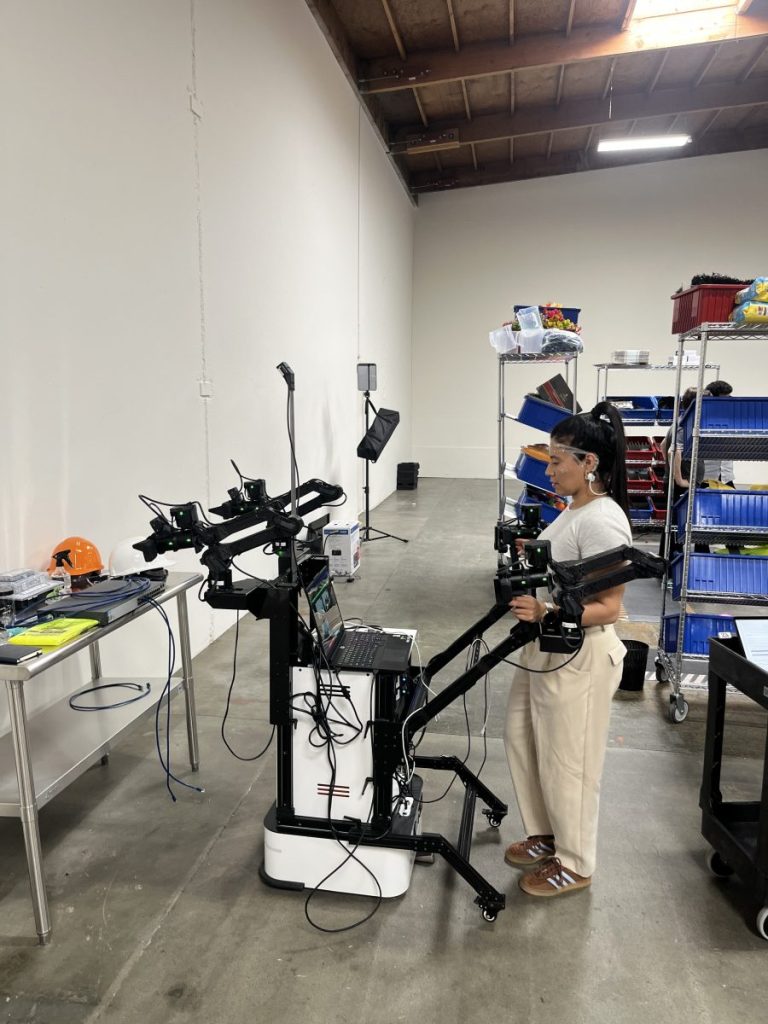
Brain waves are electrical impulses in the brain that result from the activity of neurons communicating with each other. These waves can be measured using electroencephalography (EEG), which captures the electrical activity of the brain through electrodes placed on the scalp. Physical AI, on the other hand, refers to AI systems that interact with the physical world, often through robotics or other tangible interfaces. The integration of brain wave readings into physical AI models represents a significant shift in how these technologies can be developed and utilized.
What Changed?
Traditionally, training physical AI models relied heavily on visual data, such as images and videos, which required extensive annotation and multiple camera angles to achieve accuracy. However, recent advancements suggest that incorporating brain wave data could enhance the learning process for these models. This shift is driven by the need for more nuanced and sophisticated AI systems that can better understand human behavior and intentions. By analyzing brain wave patterns, AI systems can potentially gain insights into user preferences and emotional states, leading to more personalized and effective interactions.
Why It Matters for Enterprise IT Marketing
The implications of integrating brain wave readings into physical AI for enterprise IT marketing are profound. Firstly, it allows for a deeper understanding of customer behavior, enabling marketers to tailor their strategies more effectively. For instance, by analyzing how potential customers react to marketing materials at a neurological level, businesses can refine their messaging and delivery methods to resonate more deeply with their target audience.
Moreover, this technology can enhance customer engagement by creating more interactive and responsive marketing campaigns. Imagine a scenario where an AI-driven marketing tool adjusts its content in real-time based on the viewer’s emotional response, as indicated by their brain waves. This level of personalization could significantly improve conversion rates and customer satisfaction.
Practical Framework or Checklist
To effectively leverage brain wave technology in enterprise IT marketing, practitioners should consider the following framework:
- Research and Understand Brain Wave Technology: Familiarize yourself with the basics of EEG and how brain wave data can be interpreted.
- Identify Use Cases: Determine specific applications within your marketing strategy where brain wave data could provide insights, such as customer feedback analysis or campaign optimization.
- Collaborate with Experts: Partner with neuroscientists or AI specialists who can help integrate brain wave analysis into your marketing efforts.
- Test and Iterate: Implement pilot projects to test the effectiveness of brain wave data in your marketing strategies, and be prepared to iterate based on results.
- Monitor Ethical Implications: Ensure that the use of brain wave data complies with ethical standards and respects consumer privacy.
APAC / Hong Kong Implications
In the APAC region, including Hong Kong, the adoption of advanced technologies such as brain wave analysis in marketing is particularly relevant. As businesses strive to differentiate themselves in a competitive landscape, leveraging cutting-edge technology can provide a significant advantage. Additionally, the cultural diversity in the region necessitates a nuanced understanding of consumer behavior, which brain wave technology can facilitate.
Moreover, the regulatory environment in Hong Kong is evolving, and marketers must stay informed about data privacy laws and ethical considerations surrounding the use of biometric data. By proactively addressing these issues, businesses can build trust with consumers while harnessing the power of innovative technologies.
Conclusion
The exploration of brain wave readings as a tool for enhancing physical AI models presents exciting opportunities for enterprise IT marketing. By understanding and integrating this technology, marketers can gain deeper insights into consumer behavior, create more personalized experiences, and ultimately drive better business outcomes. As this field continues to evolve, staying informed and adaptable will be key to leveraging these advancements effectively. This article serves as a curated educational briefing on the topic, with further details available at https://techcrunch.com/2026/07/26/are-brain-waves-the-next-unlock-for-physical-ai/.