
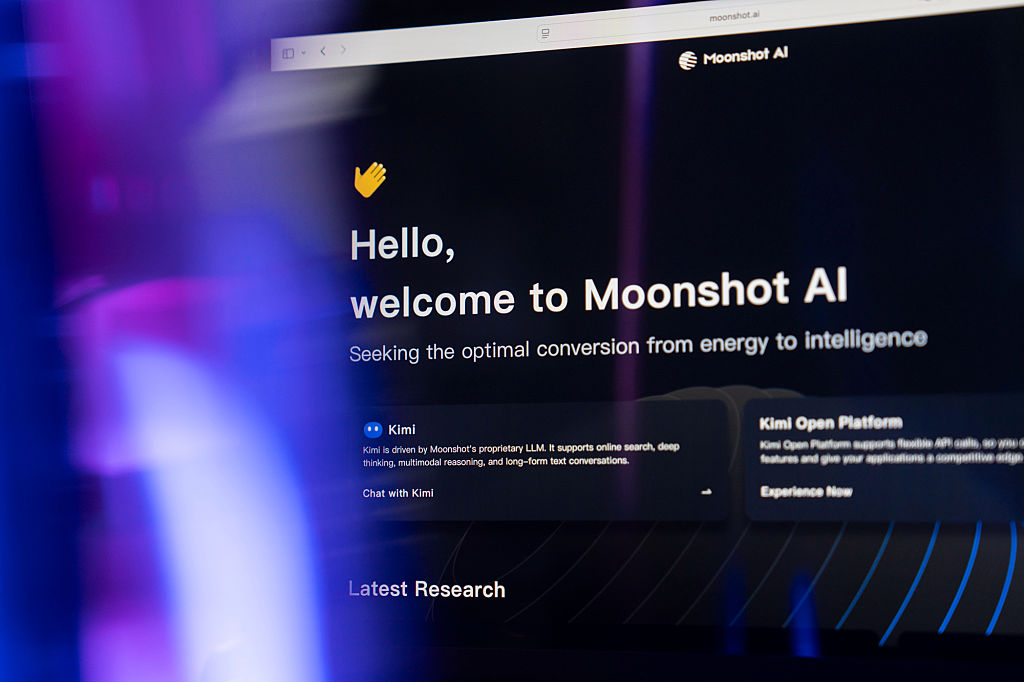
The rapid evolution of artificial intelligence (AI) technologies has prompted significant discussions within the global tech community, particularly regarding the advancements made by Chinese companies. The recent episode of Equity, as discussed in TechCrunch AI, highlighted the reactions from Silicon Valley and Wall Street to the developments spearheaded by firms like Moonshot AI. Understanding the context of these reactions is crucial for enterprise IT marketers who must navigate this shifting landscape.
Context and Definitions
Artificial intelligence refers to the simulation of human intelligence processes by machines, particularly computer systems. These processes include learning (the acquisition of information and rules for using it), reasoning (using rules to reach approximate or definite conclusions), and self-correction. The term ‘Chinese AI’ encompasses a range of technologies and applications developed by Chinese firms, which have gained global attention for their rapid advancements and potential to disrupt various industries.
What Changed?
Recent developments in Chinese AI have sparked a wave of concern among investors and tech leaders in the United States. The panic, as noted in the TechCrunch AI article, stems from the fear that Chinese AI capabilities could outpace those of their American counterparts, leading to a competitive disadvantage. This shift is not merely about technological superiority; it also involves geopolitical implications, including national security and economic competitiveness.
Why It Matters for Enterprise IT Marketing
For enterprise IT marketers, understanding the implications of these developments is essential. As Chinese companies continue to innovate, they may introduce solutions that challenge existing market players. This could lead to a re-evaluation of marketing strategies and value propositions. Marketers must consider how to position their offerings in a landscape where competition is increasingly influenced by international developments in AI.
Practical Framework for Marketers
To effectively navigate this evolving landscape, enterprise IT marketers can adopt the following framework:
- Market Research: Continuously monitor advancements in AI technologies, particularly from Chinese firms. Understanding the competitive landscape will help in identifying potential threats and opportunities.
- Value Proposition Refinement: Reassess your product’s value proposition in light of new competitors. Highlight unique features and benefits that differentiate your offerings.
- Strategic Partnerships: Consider forming alliances with tech firms that have robust AI capabilities. Collaborations can enhance your product offerings and improve market positioning.
- Customer Education: Invest in educating your customers about the benefits and implications of AI technologies. Providing valuable insights can position your brand as a thought leader.
- Agile Marketing Approaches: Be prepared to adapt your marketing strategies quickly in response to new developments. Flexibility will be key in maintaining relevance.
APAC / Hong Kong Implications
In the APAC region, particularly in Hong Kong, the implications of Chinese AI advancements are profound. Hong Kong serves as a critical hub for technology and finance, making it essential for local marketers to stay informed about AI trends. The proximity to mainland China presents both opportunities and challenges; marketers must leverage local insights while being aware of the competitive pressures from Chinese firms. Additionally, understanding the regulatory environment and consumer sentiment towards AI will be crucial in shaping effective marketing strategies.
Clear Takeaways for APAC / Hong Kong IT Marketers
- Stay informed about AI developments from Chinese companies and their potential impact on your market.
- Continuously refine your value proposition to remain competitive in a rapidly changing landscape.
- Consider strategic partnerships to enhance your offerings and market presence.
- Educate your customers about AI technologies to build trust and establish thought leadership.
- Adopt agile marketing strategies to quickly respond to new challenges and opportunities.
This article serves as a curated educational briefing on the dynamics of Chinese AI and its implications for enterprise IT marketing. For further insights, please refer to the original source at TechCrunch AI.