
In recent years, the rise of artificial intelligence (AI) has transformed various sectors, including marketing. Among the most significant developments is the emergence of AI-driven image editing tools, which have made it easier for users to manipulate images for various purposes. However, this technological advancement has also raised serious ethical concerns, particularly regarding the potential misuse of these tools for creating nonconsensual deepfakes. This article will explore the implications of these developments for enterprise IT marketing, particularly in the context of Hong Kong and the Asia-Pacific (APAC) region.
Defining AI Image Editing and Deepfakes
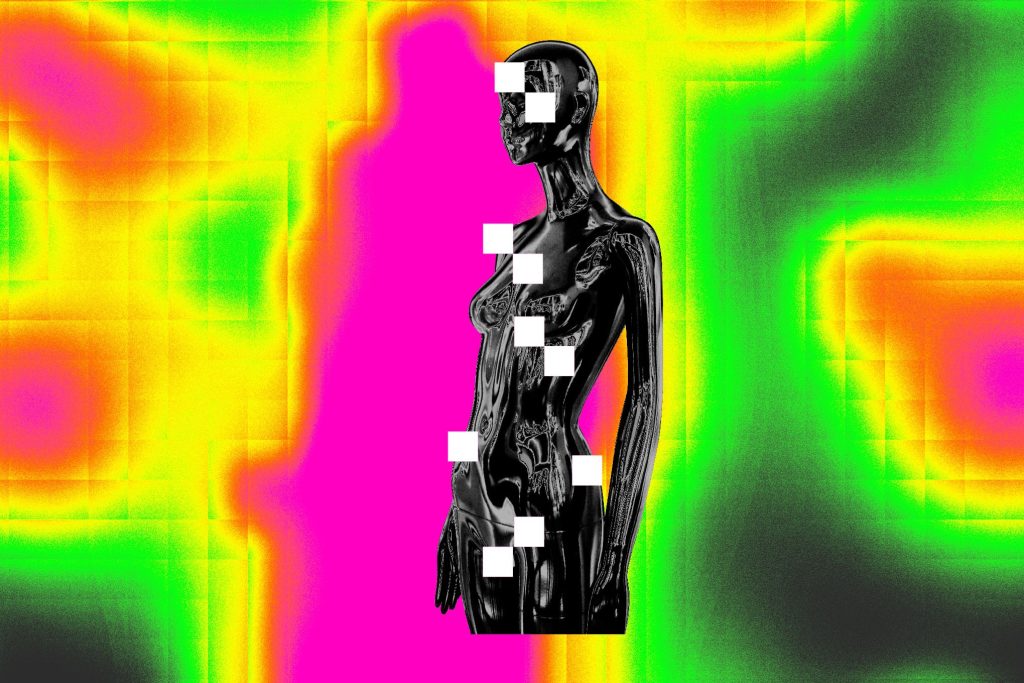
AI image editing refers to the use of artificial intelligence algorithms to alter or enhance images. These tools can perform a variety of functions, from simple adjustments like cropping and color correction to more complex manipulations, such as generating entirely new images based on existing ones. Deepfakes, a specific application of AI image editing, involve the use of deep learning techniques to create realistic-looking fake images or videos. These technologies can be used for entertainment, educational purposes, or, unfortunately, for malicious intents, such as creating nonconsensual explicit content.
Recent Developments in AI Image Editing
A recent report by the European nonprofit AI Forensics highlighted alarming trends regarding the misuse of AI image editing tools hosted on platforms like Hugging Face. The report found that seven out of the top nine image editing models available on Hugging Face could easily be manipulated to create nonconsensual deepfake images, particularly targeting women and children. This revelation underscores the urgent need for stricter regulations and ethical guidelines surrounding the use of AI technologies.
Why This Matters for Enterprise IT Marketing
The implications of these developments for enterprise IT marketing are profound. Firstly, marketers must recognize that the tools they use to create and promote content can also be weaponized against individuals, potentially harming their brand reputation. For instance, if a company is associated with or uses AI tools that facilitate unethical practices, it risks losing customer trust and loyalty. Secondly, there is a growing demand for transparency and ethical considerations in marketing practices. Consumers are increasingly aware of the potential for misuse of technology and are likely to support brands that prioritize ethical standards.
A Practical Framework for Ethical AI Use in Marketing
To navigate the challenges posed by AI image editing tools, enterprise IT marketers can adopt the following framework:
- Assess the Tools: Evaluate the AI tools your organization uses for potential ethical concerns. Ensure that they comply with legal and ethical standards.
- Implement Guidelines: Develop internal guidelines for the ethical use of AI in marketing. This should include a clear stance against the creation of nonconsensual content.
- Educate Stakeholders: Provide training for your team on the ethical implications of AI technologies and the importance of responsible marketing practices.
- Engage with the Community: Participate in discussions and initiatives that promote ethical standards in AI usage within the marketing community.
- Monitor Developments: Stay informed about new regulations and ethical guidelines related to AI technologies to ensure compliance and adapt your practices accordingly.
Implications for APAC and Hong Kong
In the APAC region, where digital marketing is rapidly evolving, the implications of AI misuse are particularly significant. Hong Kong, as a major business hub, must take proactive steps to address these challenges. Local marketers should be aware of the cultural sensitivities surrounding image manipulation and the potential backlash from consumers. Additionally, as regulatory frameworks around AI continue to develop, businesses in Hong Kong must be prepared to adapt to new laws aimed at protecting individuals from the misuse of technology.
Conclusion
The rise of AI image editing tools presents both opportunities and challenges for enterprise IT marketers. While these technologies can enhance marketing efforts, they also pose ethical risks that cannot be ignored. By adopting a proactive approach to ethical AI use, marketers in Hong Kong and the APAC region can protect their brand reputation and foster consumer trust. This article serves as a curated educational briefing on the topic, encouraging marketers to engage with the ongoing discourse surrounding ethical AI practices. For further information, please refer to the source article at https://www.theverge.com/ai-artificial-intelligence/971723/hugging-face-nudify-deepfake-undress-women-children.