
Moxie Insight publishes educational briefings for enterprise IT marketers in Hong Kong and APAC. This note synthesizes public reporting from The Verge AI into a structured learning frame: definitions, mechanisms, implications, and practical next steps. It is curated analysis, not a verbatim reprint.
Context and working definitions
Industry headlines often compress complex shifts in infrastructure, security, cloud platforms, or generative AI into a single announcement. For marketers, the educational task is different from the news task: explain what changed, for whom it matters, and which claims are currently attributable. The topic under review — Meta made its own AI detection system. It should have just used Google’s — should be read as a signal about how buyers may update category language, vendor shortlists, and proof requirements.
In this briefing, category language means the shared vocabulary buyers use to compare vendors; proof density means measurable, attributable claims; and answer readiness means content structured so both humans and AI assistants can quote it without distorting meaning.
What the source reporting indicates
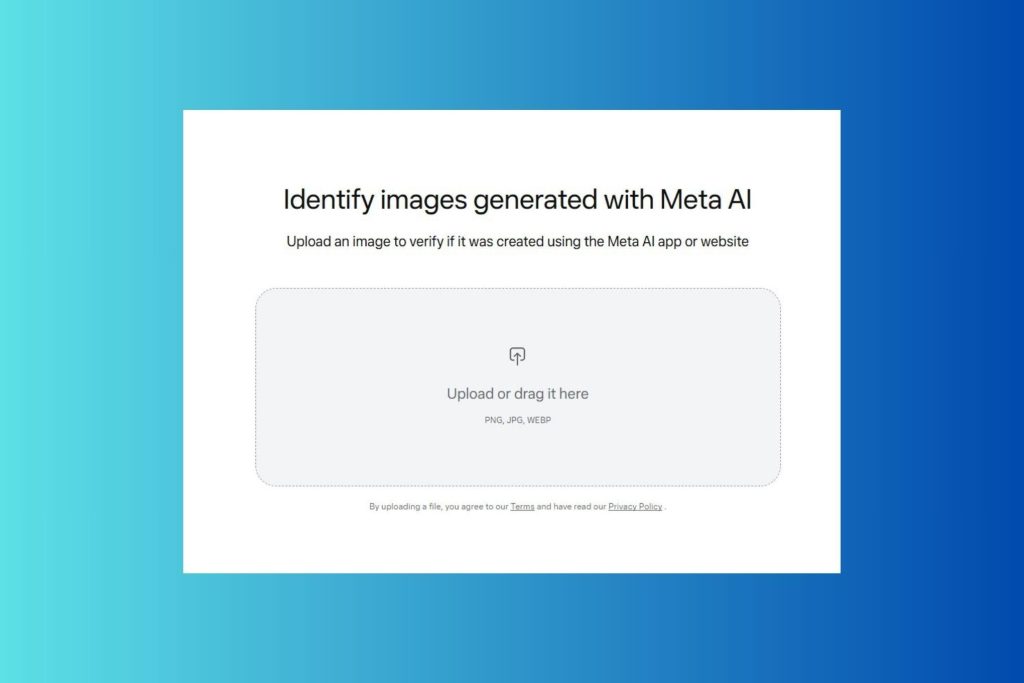
IIn March, Meta's Oversight Board called on the company to "meet its public commitments and employ its own tools" to help quell the spread of deceptive generative AI content across platforms. Meta responded in July by introducing Content Seal – an invisible watermarking technology that flags images generated by the company's new AI model. But […]
Secondary coverage from The Verge AI is best treated as a starting hypothesis. Marketing teams should separate (1) confirmed product or policy changes, (2) interpretive commentary, and (3) speculative future roadmaps. Only the first tier should immediately rewrite website definitions, sales FAQs, or partner kits.
Why the shift matters for enterprise IT marketing
Enterprise buyers in Hong Kong and wider APAC still rely on peer proof and analyst framing, but they increasingly use AI tools as a triage layer before speaking with sales. When industry narratives move, three marketing risks appear quickly:
- Outdated definitions on money pages create citation gaps in AI answers and confuse partner enablement.
- Sales and marketing tell incompatible stories about the same capability, weakening trust in executive conversations.
- Event and demand programs keep promoting last quarter’s proof points while competitors reframe the category.
An educational response therefore focuses on clarity and teachability: help internal teams and partners explain the change in under two minutes, with one verifiable claim and one recommended action.
A practical learning framework
- Define: Write a 60–80 word explanation of the change in plain English, naming the category and geography where relevant.
- Locate proof: List which claims can be evidenced from primary sources versus which remain interpretive.
- Map buyer jobs: Note whether the change affects shortlisting, migration planning, risk review, or budget timing.
- Update answer assets: Refresh one FAQ cluster and one partner-facing paragraph within two weeks.
- Brief the room: Give sales and partners a single implication, not a dump of headlines.
Implications for Hong Kong and APAC go-to-market
Compact markets amplify narrative speed: the same partner and buyer faces appear across multiple calendars. Educational content that is reusable across events, partner kits, and owned search pages compounds faster than one-off social posts. Teams should prefer durable explainers — with FAQs and clear entity naming — over ephemeral commentary that cannot be cited later.
Where this topic intersects your offer, align GEO and SEO work together: keep pages crawlable and authoritative, while ensuring definitions and FAQs are answer-shaped for generative engines. Moxie’s role with enterprise IT brands is to turn industry movement into teachable positioning, not merely to amplify the news cycle.
From an instructional design perspective, treat every industry shift as a curriculum update: what must a new hire, a partner marketer, and a sales engineer each be able to explain after reading your materials? If those three audiences cannot share one definition, your public content is not yet educational enough for either classic search or generative citation.
Suggested next step
If this topic touches your category, schedule a short internal workshop: update one money-page definition, draft five educational FAQs, and agree the sales implication for the next fortnight. Measure whether partners can restate the story consistently, and whether your public pages now answer the questions buyers are already asking AI tools.
Document the workshop outputs in a single narrative kit so the learning survives personnel changes. Revisit the kit after two weeks of buyer conversations; replace weak answers with clearer educational language rather than adding more channels.
Curated educational briefing based on reporting from The Verge AI. Verify primary announcements before publishing customer-facing claims.