
In the rapidly evolving landscape of digital marketing, the ability to effectively target audiences based on their behavior is paramount. Search Retargeting (SRT) has emerged as a critical strategy for advertisers, allowing them to reach potential customers based on their historical search behavior. This article delves into the recent advancements made by Yahoo in enhancing its SRT capabilities through the integration of Amazon Bedrock, a machine learning platform. We will explore the implications of these changes for enterprise IT marketing, provide a practical framework for implementation, and discuss specific considerations for marketers in the Asia-Pacific (APAC) region, particularly Hong Kong.
Understanding Search Retargeting
Search Retargeting is a digital advertising strategy that leverages user search data to deliver targeted ads across various platforms. By analyzing the keywords users have searched for, advertisers can tailor their messaging to align with the user’s demonstrated intent. This approach not only increases the relevance of ads but also enhances the likelihood of conversion. With the advent of advanced technologies like artificial intelligence (AI), the capabilities of SRT have expanded significantly.
Recent Changes in SRT: Yahoo’s Integration of Amazon Bedrock
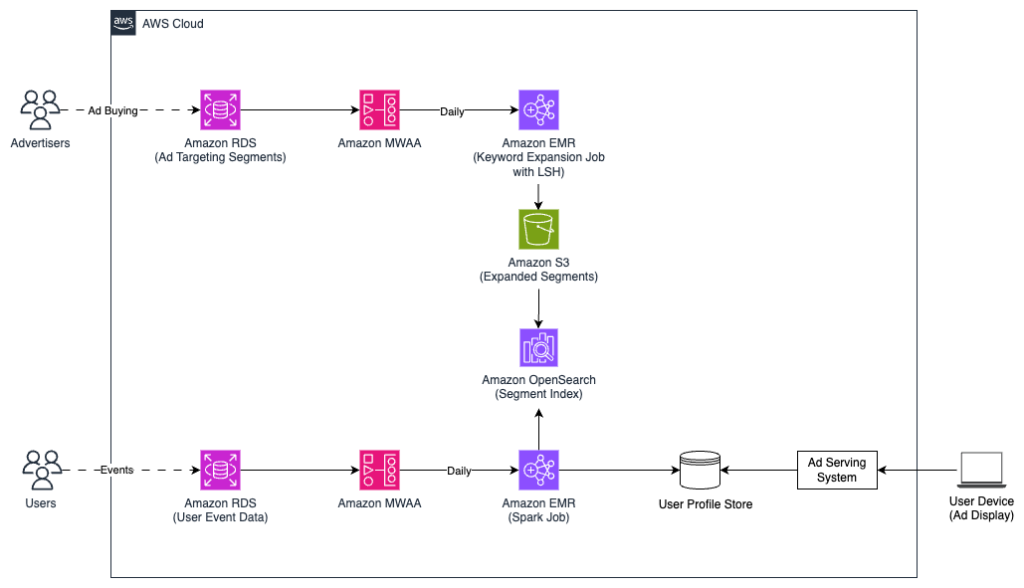
Yahoo’s implementation of Amazon Bedrock marks a significant milestone in the evolution of SRT. Amazon Bedrock is a fully managed service that enables developers to build and scale generative AI applications. By integrating this platform, Yahoo has enhanced its ability to analyze user behavior not only within its own ecosystem but also across integrated partner systems. This means that advertisers can now engage users who exhibit intent through search activities on Yahoo and its partners, thereby broadening the scope of audience targeting.
Why This Matters for Enterprise IT Marketing
The implications of Yahoo’s advancements in SRT are profound for enterprise IT marketers. As businesses increasingly rely on data-driven strategies, the ability to harness AI for audience targeting becomes a competitive advantage. Enhanced SRT capabilities allow marketers to create more personalized and relevant advertising experiences, which can lead to higher engagement rates and improved ROI. Furthermore, as consumers become more discerning, the demand for tailored marketing approaches will only grow.
Practical Framework for Implementing Enhanced SRT
To effectively leverage enhanced SRT capabilities, enterprise IT marketers should consider the following framework:
- Data Integration: Ensure that your marketing technology stack is capable of integrating data from various sources, including search engines, social media, and partner platforms.
- AI Utilization: Invest in AI tools that can analyze user behavior and predict intent based on historical data. This will enhance your targeting precision.
- Personalization: Develop personalized ad content that resonates with the identified intent of your audience. Tailored messaging is key to capturing attention.
- Performance Measurement: Continuously monitor and analyze the performance of your SRT campaigns. Use metrics such as click-through rates and conversion rates to refine your strategies.
- Compliance and Ethics: Ensure that your data collection and targeting practices comply with local regulations and ethical standards to maintain consumer trust.
Implications for APAC and Hong Kong IT Marketers
In the APAC region, and particularly in Hong Kong, the digital marketing landscape is characterized by rapid technological advancements and a diverse consumer base. Marketers must navigate cultural nuances and varying consumer behaviors. The integration of AI-driven SRT capabilities can help local businesses better understand and engage their audiences. Moreover, as privacy regulations evolve in the region, it is crucial for marketers to adopt transparent practices that respect user data while still leveraging advanced targeting techniques.
Key Takeaways for APAC / Hong Kong IT Marketers
- Embrace AI technologies to enhance audience targeting and improve ad relevance.
- Focus on data integration from multiple sources to gain a holistic view of user behavior.
- Personalize marketing messages to align with user intent for better engagement.
- Monitor campaign performance rigorously and adapt strategies based on data insights.
- Stay informed about local regulations and ensure ethical practices in data usage.
This article serves as a curated educational briefing on the advancements in search retargeting and their implications for enterprise IT marketing in the APAC region. For further insights, visit the original source at AWS Machine Learning Blog.