
The landscape of artificial intelligence (AI) is rapidly evolving, particularly with the introduction of advanced models like OpenAI’s GPT-5.6. These models are designed to enhance various applications, from natural language processing to coding assistance. For enterprise IT marketers, understanding these advancements is crucial for leveraging AI effectively in their strategies. In this article, we will explore the significance of GPT-5.6, its integration with Amazon Bedrock, and practical frameworks for implementation in the context of the Asia-Pacific (APAC) region, particularly Hong Kong.
Understanding OpenAI GPT-5.6
OpenAI’s GPT-5.6 is a state-of-the-art language model that builds upon its predecessors by incorporating more sophisticated algorithms and larger datasets. This model is capable of generating human-like text, understanding context, and performing complex tasks such as coding and data analysis. The introduction of three variants—Sol, Terra, and Luna—offers marketers tailored options depending on their specific needs, whether for content generation, customer interaction, or data insights.
Recent Changes in AI Capabilities
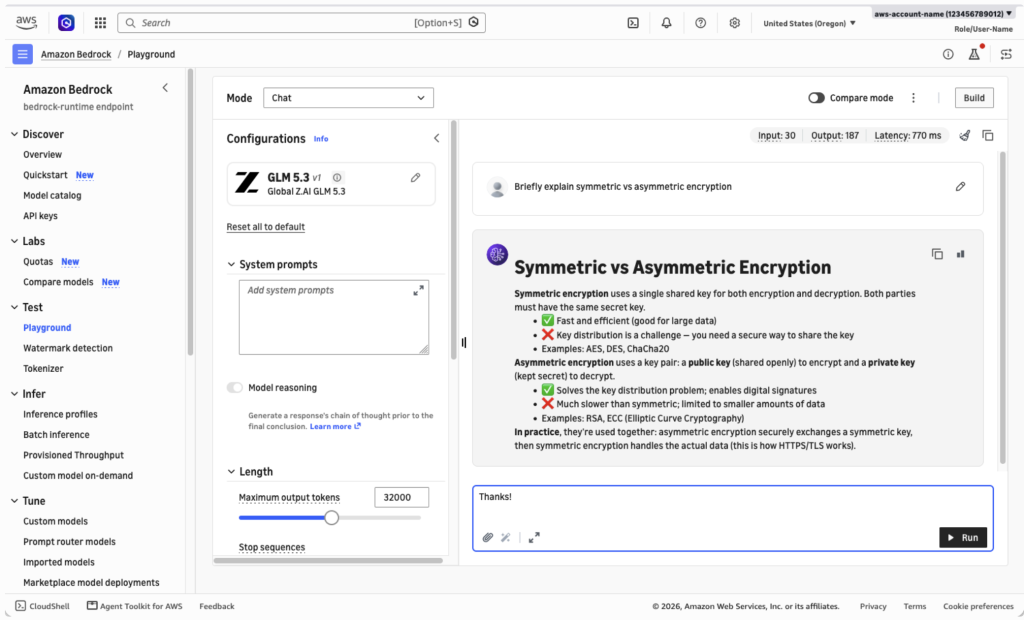
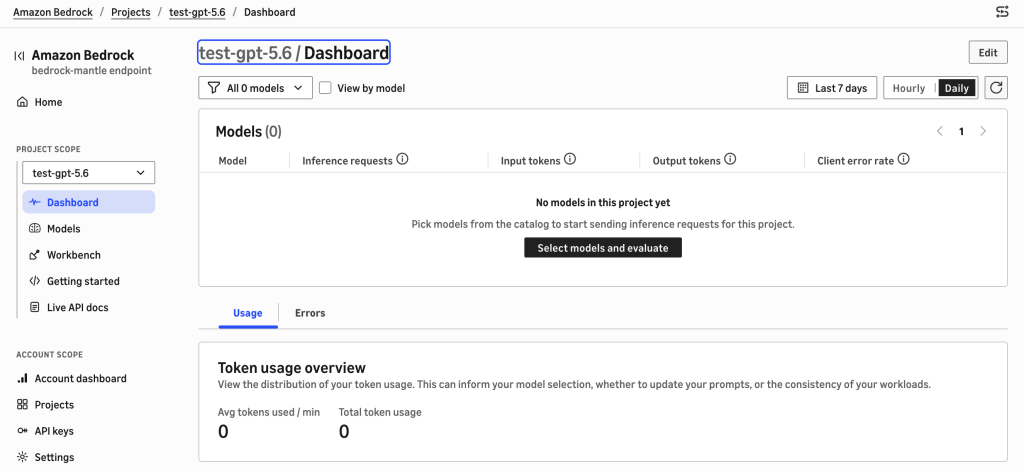
The recent availability of GPT-5.6 on Amazon Bedrock marks a significant shift in how enterprises can access and utilize AI technology. Amazon Bedrock serves as a platform that simplifies the deployment of machine learning models, allowing users to select from various models, including those from OpenAI. The integration of the Responses API through the bedrock-mantle endpoint enables seamless inference, making it easier for businesses to implement AI solutions without extensive technical expertise.
Why This Matters for Enterprise IT Marketing
For enterprise IT marketers, the implications of GPT-5.6 are profound. The ability to generate high-quality content, automate customer interactions, and analyze data in real time can significantly enhance marketing strategies. By leveraging these capabilities, marketers can create more personalized experiences for customers, improve engagement rates, and ultimately drive conversions. Furthermore, the cost-saving potential through mechanisms like prompt caching allows businesses to optimize their AI usage, making it a financially viable option for many enterprises.
A Practical Framework for Implementation
To effectively integrate GPT-5.6 into your marketing strategy, consider the following framework:
- Model Selection: Choose the appropriate variant of GPT-5.6 based on your marketing needs. Sol may be best for content generation, while Terra could excel in data analysis.
- API Integration: Utilize the Responses API to streamline the implementation process. This will allow for quick access to the model’s capabilities without extensive programming knowledge.
- Cost Management: Implement prompt caching to reduce operational costs. This technique allows you to store frequently used prompts, minimizing the need for repeated processing.
- Scalability Planning: Consider your organization’s growth and how the AI model can scale with your operations. Set quotas and monitor usage to ensure optimal performance.
- Feedback Loop: Establish a system for collecting feedback on the AI’s performance. This will help in refining the model’s outputs and improving overall effectiveness.
Implications for APAC and Hong Kong
The APAC region, and Hong Kong specifically, presents unique opportunities and challenges for the adoption of AI technologies like GPT-5.6. With a rapidly growing digital economy and a strong emphasis on innovation, businesses in Hong Kong are well-positioned to leverage these advancements. However, marketers must also navigate regulatory considerations and cultural nuances when implementing AI-driven strategies. Understanding local market dynamics will be crucial for successfully integrating AI into marketing efforts.
Key Takeaways for IT Marketers in APAC
- Stay informed about advancements in AI technology and their implications for marketing strategies.
- Utilize frameworks for effective implementation of AI models to enhance marketing efforts.
- Consider local market dynamics and regulatory environments when adopting AI solutions.
- Leverage the cost-saving potential of AI through techniques like prompt caching.
- Establish feedback mechanisms to continually refine AI outputs and improve effectiveness.
This article serves as a curated educational briefing to help enterprise IT marketers understand and implement OpenAI GPT-5.6 on Amazon Bedrock effectively. For further insights, please refer to the original source at https://aws.amazon.com/blogs/machine-learning/get-started-with-openai-gpt-5-6-sol-terra-and-luna-on-amazon-bedrock/.