
The rapid evolution of artificial intelligence (AI) technologies has ushered in a new era for enterprise IT marketing. Among the most notable advancements are open-weight AI models, which have gained significant traction in recent years. These models are designed to be accessible and modifiable by developers, allowing for greater innovation and customization. However, as highlighted in a recent report by SaferAI, the emergence of these models raises critical questions regarding safety and governance.
Understanding Open-Weight AI Models
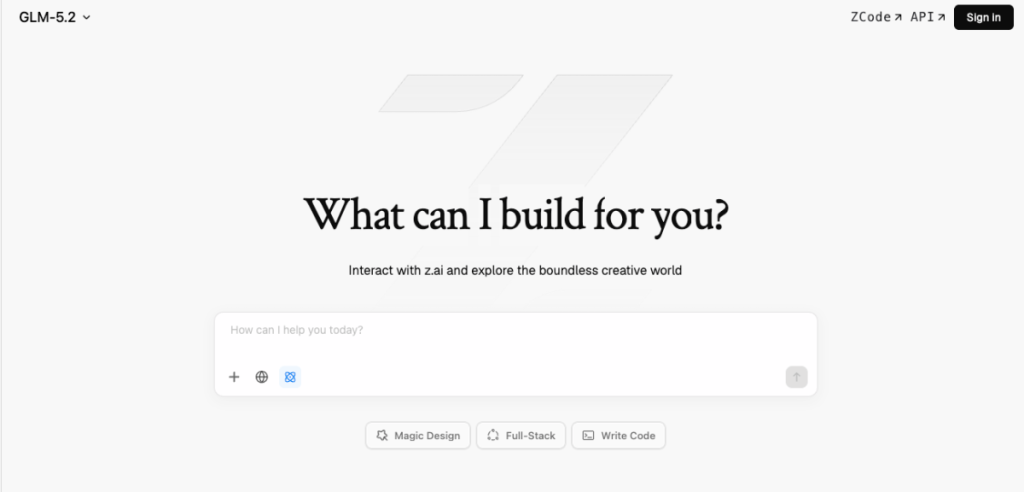
Open-weight AI models are those whose parameters and architecture are publicly available, enabling developers to build upon existing frameworks. This contrasts with proprietary models, which are typically closed and controlled by a single entity. The open nature of these models fosters collaboration and accelerates advancements in AI technology. For instance, Z.ai’s GLM-5.2 is an example of an open-weight model that is approaching the capabilities of frontier AI, which refers to the most advanced and powerful AI systems currently available.
Recent Developments in Open-Weight AI
The SaferAI report indicates that while Z.ai’s GLM-5.2 is nearing frontier capabilities, it lacks essential safety mitigations. This gap in safety measures is concerning, as it suggests that powerful open models could potentially outpace the governance frameworks designed to ensure their responsible use. The implications of this trend are significant for enterprise IT marketers, who must navigate an evolving landscape where the benefits of advanced AI capabilities must be weighed against the risks of misuse and ethical considerations.
Why This Matters for Enterprise IT Marketing
For enterprise IT marketers, the rise of open-weight AI models presents both opportunities and challenges. On one hand, these models can enhance product offerings, improve customer experiences, and drive innovation. On the other hand, the lack of safety measures could lead to reputational damage, legal liabilities, and ethical dilemmas. Marketers must be prepared to address these concerns proactively by integrating safety and governance into their messaging and product development strategies.
A Practical Framework for Marketers
To effectively navigate the implications of open-weight AI models, enterprise IT marketers can adopt the following framework:
- Educate Stakeholders: Ensure that all team members understand the capabilities and limitations of open-weight AI models.
- Implement Safety Protocols: Develop and communicate clear safety protocols for the use of AI technologies in marketing practices.
- Engage in Ethical Discussions: Foster a culture of ethical consideration within the organization, discussing the implications of AI use.
- Monitor Regulatory Developments: Stay informed about evolving regulations and guidelines related to AI governance.
- Communicate Transparently: Be transparent with customers about the use of AI technologies and the measures taken to ensure safety and ethical use.
Implications for APAC and Hong Kong
In the Asia-Pacific (APAC) region, and particularly in Hong Kong, the implications of open-weight AI models are particularly pronounced. The region is home to a vibrant tech ecosystem, with many startups and established companies exploring AI applications. However, the regulatory landscape is still developing, and marketers must be vigilant about compliance with local laws and international standards. Additionally, as consumers become more aware of AI technologies, they will demand greater transparency and accountability from businesses. Marketers in Hong Kong should prioritize building trust by addressing safety and ethical considerations in their AI strategies.
Key Takeaways for APAC / Hong Kong IT Marketers
- Understand the capabilities and risks associated with open-weight AI models.
- Proactively implement safety measures and ethical considerations in marketing strategies.
- Stay informed about regulatory changes and consumer expectations regarding AI.
- Foster a culture of transparency and accountability within the organization.
- Engage with stakeholders to build trust and credibility in AI applications.
This article serves as a curated educational briefing on the implications of open-weight AI models for enterprise IT marketing. For further insights, visit https://techcrunch.com/2026/08/04/open-weight-ai-models-are-catching-up-to-the-frontier-the-safety-gap-remains/.