
The rapid advancement of artificial intelligence (AI) technologies has introduced a range of tools that are reshaping how content is created, evaluated, and consumed. Among these innovations, AI writing detectors have emerged as a significant development, prompting discussions around trust and authenticity in digital content. This article aims to explore the implications of AI detectors for enterprise IT marketing, providing a framework for navigating this evolving landscape.
Understanding AI Detectors
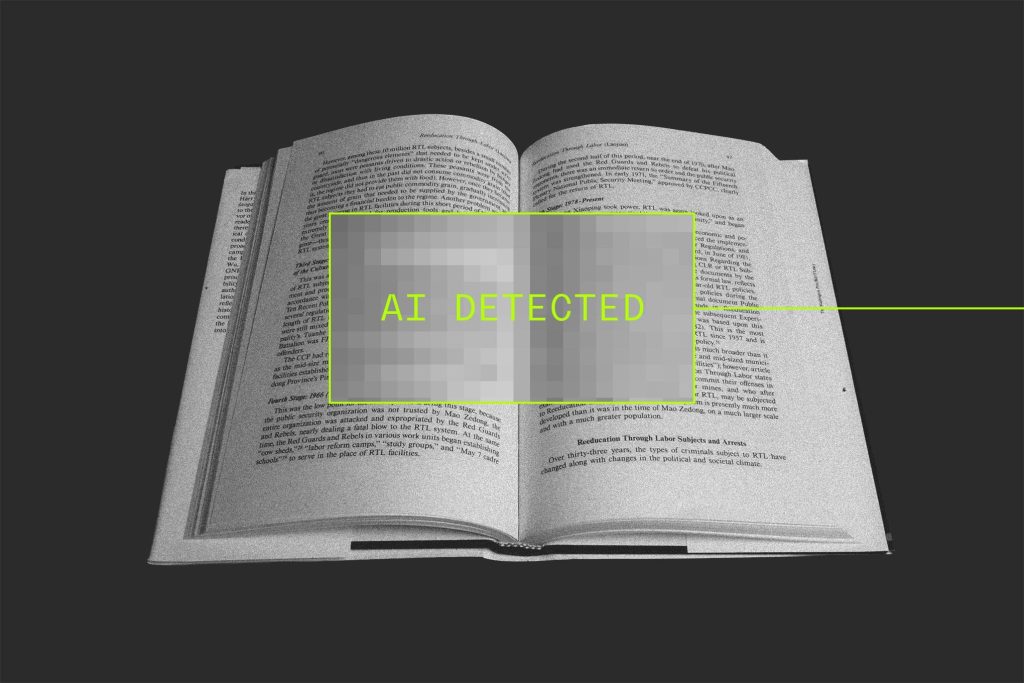
AI detectors are tools designed to identify whether a piece of content has been generated by AI algorithms or by human authors. These detectors analyze linguistic patterns, syntax, and other textual features to make their determinations. The rise of these technologies can be traced back to the increasing sophistication of AI writing tools, such as OpenAI’s ChatGPT, which have made it easier for individuals and organizations to generate content quickly and efficiently.
What Changed in the Digital Content Landscape?
Historically, content creation was predominantly a human endeavor, with writers relying on their skills and creativity to produce engaging material. However, the advent of AI writing tools has disrupted this norm, allowing for the mass production of content at unprecedented speeds. As a result, the demand for AI detectors has surged, driven by concerns over content authenticity, plagiarism, and the potential for misinformation.
Why This Matters for Enterprise IT Marketing
For enterprise IT marketers, the emergence of AI detectors poses both challenges and opportunities. On one hand, the ability to detect AI-generated content can help organizations maintain credibility and trust with their audiences. On the other hand, the reliance on AI tools for content creation may lead to a perception of inauthenticity, which could undermine brand reputation.
Moreover, as AI detectors become more prevalent, marketers must consider how their content strategies align with evolving consumer expectations. Audiences are increasingly discerning, seeking genuine and relatable content that resonates with their experiences. Thus, marketers need to strike a balance between leveraging AI for efficiency and ensuring that their messaging remains authentic and human-centric.
A Practical Framework for IT Marketers
To navigate the complexities introduced by AI detectors, enterprise IT marketers can adopt the following framework:
- Assess Content Authenticity: Regularly evaluate the authenticity of your content by employing AI detectors to ensure that it aligns with your brand’s voice and values.
- Prioritize Human Touch: Incorporate human insights and experiences into your content to foster a sense of connection with your audience.
- Educate Your Team: Provide training on the ethical use of AI tools and the importance of maintaining content integrity.
- Monitor Audience Feedback: Actively seek feedback from your audience regarding their perceptions of your content, adjusting your strategies accordingly.
- Stay Informed: Keep abreast of developments in AI technology and content creation to adapt your marketing strategies as needed.
Implications for APAC and Hong Kong IT Marketers
In the context of the Asia-Pacific (APAC) region, and specifically Hong Kong, the implications of AI detectors are particularly relevant. As businesses increasingly adopt digital marketing strategies, the pressure to produce high-quality, authentic content intensifies. Marketers in this region must be aware of cultural nuances and consumer preferences that influence content reception.
Furthermore, the competitive landscape in Hong Kong necessitates a focus on differentiation. By emphasizing authenticity and transparency, IT marketers can build trust with their audiences, setting themselves apart from competitors who may rely heavily on AI-generated content.
Conclusion
The rise of AI detectors marks a significant shift in the digital content landscape, necessitating a reevaluation of content strategies for enterprise IT marketers. By understanding the implications of this technology and adopting a framework that prioritizes authenticity, marketers can navigate this new era with confidence. This article serves as a curated educational briefing for IT marketers looking to adapt to the evolving demands of their audiences. For further insights, please visit https://www.theverge.com/column/976690/ai-writing-detectors-suspicion.