
As the landscape of technology continues to evolve, the integration of artificial intelligence (AI) into everyday devices has become increasingly prominent. One of the latest developments in this domain is Amazon’s update to its Alexa Plus assistant, which enhances its ability to connect with various smart home devices. This article aims to define key terms, discuss the changes brought about by this update, and explore its implications for enterprise IT marketing, particularly in the Asia-Pacific (APAC) region.
Understanding AI and Smart Home Technology
Artificial intelligence refers to the simulation of human intelligence processes by machines, particularly computer systems. These processes include learning, reasoning, and self-correction. Smart home technology encompasses devices that connect to a network and can be controlled remotely, often through voice commands or smartphone applications. The integration of AI into smart home devices allows for more sophisticated interactions and automation, enhancing user experience and operational efficiency.
Recent Changes in AI Capabilities
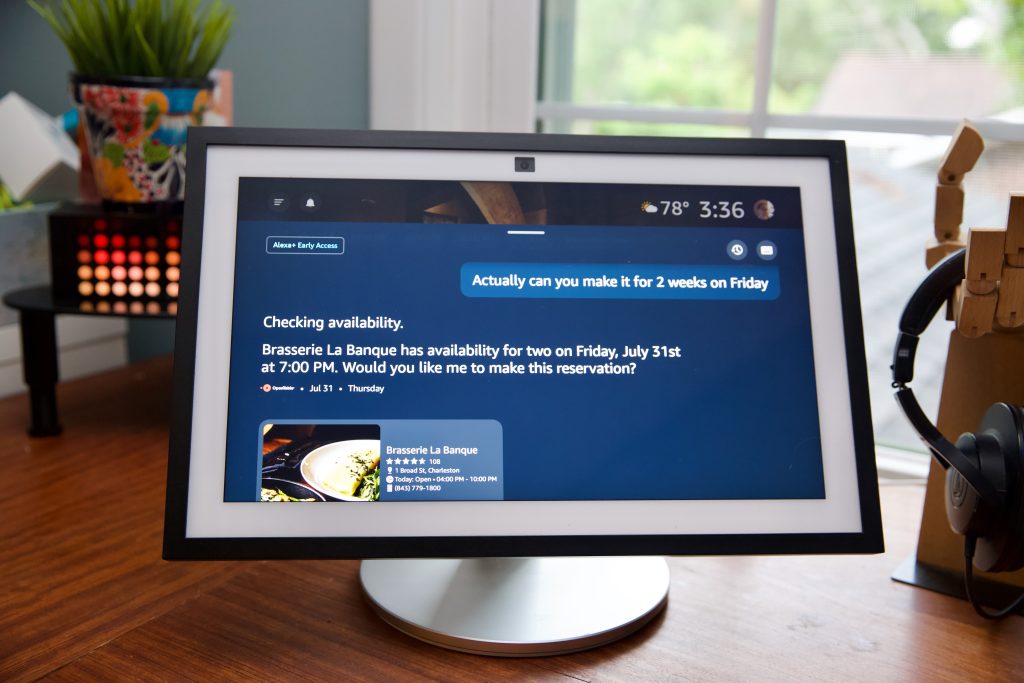
The recent update to Alexa Plus signifies a notable advancement in AI capabilities. This update enables Alexa to connect seamlessly with a wider array of smart home devices, including those from well-known brands such as Bosch, Delta, Ecovacs, iRobot, Yale Home, Whirlpool, Tapo, and Eufy. One of the most significant features of this update is the assistant’s ability to automatically route requests to the appropriate device, streamlining user interactions and reducing the complexity of managing multiple devices.
Why This Matters for Enterprise IT Marketing
For enterprise IT marketers, the implications of such advancements are profound. As smart home technology becomes more integrated into daily life, businesses must adapt their marketing strategies to highlight the benefits of their products in this evolving landscape. Understanding the capabilities of AI and how they enhance user experience can help marketers position their offerings effectively. Furthermore, as consumers become more accustomed to AI-driven interactions, there is an increasing expectation for enterprise solutions to deliver similar levels of sophistication and ease of use.
A Practical Framework for IT Marketers
To navigate this changing landscape, IT marketers should consider the following framework:
- Understand the Technology: Stay informed about the latest advancements in AI and smart home technology. This knowledge will allow you to anticipate market trends and consumer expectations.
- Highlight Integration Capabilities: Emphasize how your products can integrate with existing smart home ecosystems. This is crucial as consumers seek seamless experiences across devices.
- Focus on User Experience: Prioritize user-friendly design and functionality in your marketing materials. Showcase how your solutions simplify tasks and enhance daily life.
- Leverage Data Analytics: Utilize data analytics to understand consumer behavior and preferences. This information can inform targeted marketing strategies and product development.
- Engage in Thought Leadership: Position your brand as a thought leader in the AI and smart home space by providing valuable insights and resources to your audience.
Implications for the APAC and Hong Kong Markets
The APAC region, and Hong Kong in particular, presents unique opportunities and challenges for enterprise IT marketers. The rapid adoption of smart home technology in these markets is driven by increasing urbanization and a growing middle class. As consumers in Hong Kong become more tech-savvy, the demand for integrated smart home solutions is likely to rise. Marketers should tailor their strategies to address local preferences and cultural nuances, ensuring that their messaging resonates with the target audience.
Conclusion
The recent advancements in AI technology, exemplified by the Alexa Plus update, highlight the importance of adaptability in enterprise IT marketing. By understanding the implications of these changes and implementing a strategic framework, marketers can effectively position their products in a competitive landscape. This article serves as a curated educational briefing for IT marketers looking to navigate the evolving smart home technology market. For further insights, please refer to the original source at The Verge.