
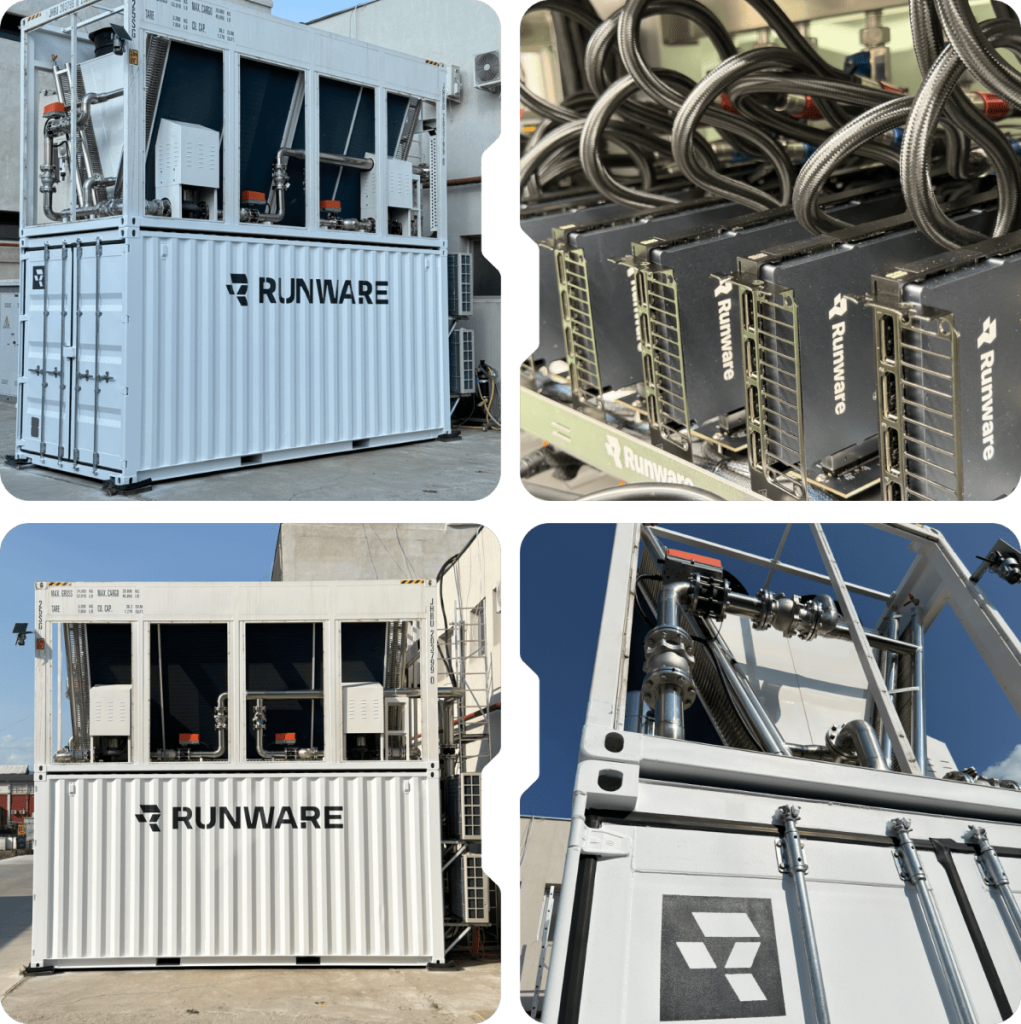
In recent years, the landscape of data centers has undergone a transformation driven by technological advancements and changing business needs. Traditional data centers, often characterized by their fixed infrastructure and significant energy consumption, are being challenged by more agile and efficient solutions. One such innovation is the modular data center, exemplified by Runware’s Sonic Inference Pod, which was recently announced as a portable alternative to conventional setups. This article aims to elucidate the implications of this shift for enterprise IT marketing, particularly in the Asia-Pacific (APAC) region.
Understanding Modular Data Centers
Modular data centers are prefabricated units that can be deployed quickly and efficiently. They consist of standardized components that allow for scalability and flexibility, accommodating varying workloads and operational demands. The Sonic Inference Pod, for instance, is designed to facilitate artificial intelligence (AI) workloads, enabling organizations to process data more effectively while minimizing physical space and energy requirements.
Recent Developments in Data Center Technology
The launch of the Sonic Inference Pod signifies a broader trend towards the adoption of portable data centers. This shift is largely driven by the increasing need for businesses to adapt to rapid technological changes and the growing emphasis on sustainability. As organizations seek to optimize their operations, the ability to deploy data centers that can be easily relocated and reconfigured becomes a significant advantage.
Why This Matters for Enterprise IT Marketing
For marketers in the enterprise IT sector, understanding the implications of portable data centers is crucial. The emergence of solutions like the Sonic Inference Pod presents new opportunities and challenges. Here are several key considerations:
- Market Demand: As businesses increasingly prioritize flexibility and efficiency, there is a growing demand for modular solutions. Marketers should focus on highlighting the benefits of portability, scalability, and energy efficiency in their messaging.
- Target Audience: The target audience for portable data centers may differ from traditional data center solutions. Marketers need to identify and engage with decision-makers who are focused on innovation and sustainability.
- Competitive Landscape: As more companies enter the modular data center market, differentiation becomes essential. Marketers must articulate unique selling propositions that resonate with potential customers.
A Practical Framework for Marketing Portable Data Centers
To effectively market portable data centers, IT marketers can adopt the following framework:
- Educate the Market: Develop content that explains the concept of modular data centers, their benefits, and how they differ from traditional solutions.
- Leverage Case Studies: Showcase real-world applications of portable data centers to illustrate their effectiveness and ROI.
- Engage with Stakeholders: Foster relationships with industry influencers and decision-makers to build credibility and trust.
- Utilize Digital Marketing: Implement targeted digital marketing strategies, including SEO and social media campaigns, to reach potential customers effectively.
- Monitor Trends: Stay abreast of industry trends and technological advancements to ensure marketing strategies remain relevant and impactful.
Implications for the APAC and Hong Kong Markets
The APAC region, particularly Hong Kong, is witnessing rapid digital transformation, making it a fertile ground for the adoption of portable data centers. With a growing emphasis on smart city initiatives and sustainable practices, businesses in Hong Kong are increasingly seeking innovative solutions to meet their IT infrastructure needs. Marketers should tailor their strategies to address local market dynamics, regulatory considerations, and cultural nuances to effectively engage potential clients.
Conclusion
The introduction of portable data centers like Runware’s Sonic Inference Pod represents a pivotal moment in the evolution of IT infrastructure. For marketers in the enterprise IT sector, understanding this trend and its implications is essential for developing effective strategies that resonate with target audiences. As the demand for flexibility and efficiency continues to rise, embracing these innovations will be critical for success in the competitive landscape of enterprise IT marketing. This is a curated educational briefing with further insights available at https://techcrunch.com/2026/08/04/is-the-future-of-data-centers-portable-runware-builds-a-pod-to-find-out/.