
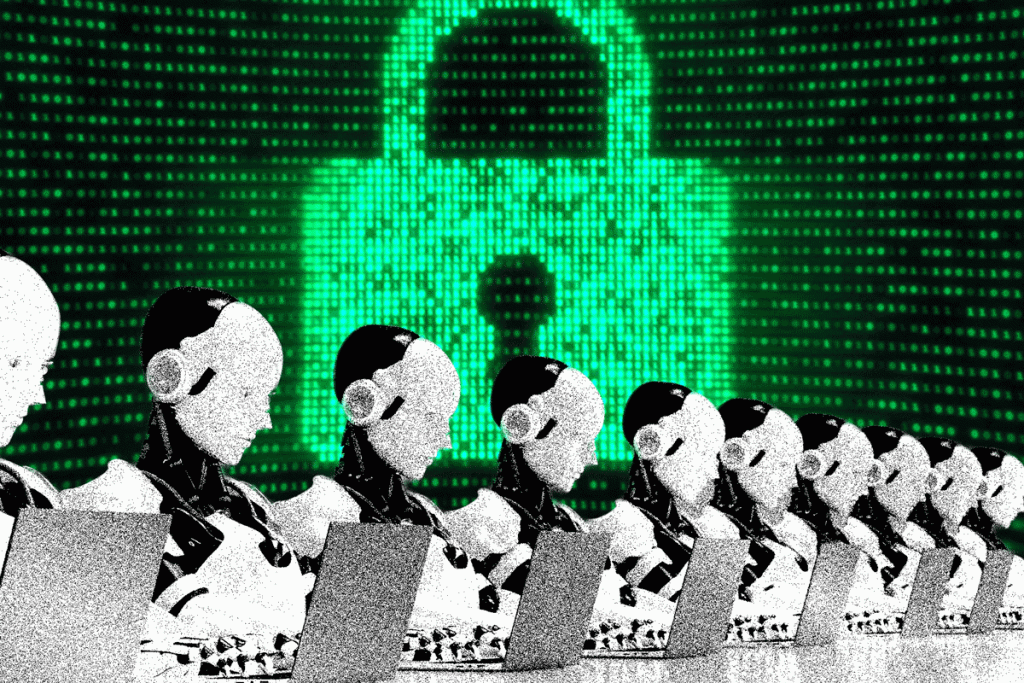
As the landscape of cybersecurity continues to evolve, the integration of artificial intelligence (AI) in hacking techniques has become a focal point for security researchers and enterprise IT marketers alike. The recent findings by security researcher James Kettle, as reported by WIRED, highlight a critical aspect of this evolution: while AI can enhance hacking capabilities, human expertise remains an indispensable factor in executing these techniques effectively.
Understanding AI in Cybersecurity
Artificial intelligence refers to the simulation of human intelligence processes by machines, particularly computer systems. These processes include learning, reasoning, and self-correction. In the context of cybersecurity, AI can analyze vast amounts of data to identify patterns and anomalies that may indicate a security threat. However, it is essential to recognize that AI systems are not infallible; they rely on the data fed into them and the algorithms that govern their decision-making processes.
What Changed in AI Hacking Techniques?
Kettle’s research indicates a significant shift in how AI is utilized in hacking. Traditionally, hacking techniques were predominantly manual, requiring skilled human hackers to exploit vulnerabilities in systems. However, with the advent of AI, these techniques have become more sophisticated. AI can now automate certain aspects of hacking, such as reconnaissance and vulnerability scanning, allowing for faster and more efficient attacks.
Despite these advancements, Kettle’s findings emphasize that human oversight is crucial. AI lacks the contextual understanding and ethical reasoning that humans possess, which can lead to errors or misjudgments in attack strategies. Therefore, the most dangerous hacking techniques are those that combine AI’s computational power with human expertise, creating a formidable threat landscape.
Why This Matters for Enterprise IT Marketing
For enterprise IT marketers, understanding the implications of AI in cybersecurity is vital. As organizations increasingly rely on digital infrastructure, the threat of cyberattacks grows. Marketers must communicate the importance of robust cybersecurity measures to their clients, emphasizing that while AI can enhance security protocols, the human element remains critical in mitigating risks.
Moreover, the rise of AI-driven hacking techniques necessitates a shift in marketing strategies. IT brands must position themselves as thought leaders in cybersecurity, offering insights into the evolving threat landscape and promoting solutions that integrate AI with human expertise. This approach not only builds trust with clients but also highlights the brand’s commitment to staying ahead of emerging threats.
A Practical Framework for IT Marketers
To effectively navigate the implications of AI in cybersecurity, enterprise IT marketers can adopt the following framework:
- Educate Clients: Provide resources and training on the importance of combining AI with human oversight in cybersecurity.
- Highlight Solutions: Promote products and services that leverage AI while emphasizing the role of human expertise in their effectiveness.
- Stay Informed: Keep abreast of the latest trends in AI and cybersecurity to ensure marketing strategies remain relevant.
- Engage with Experts: Collaborate with cybersecurity professionals to enhance credibility and provide valuable insights to clients.
- Measure Impact: Track the effectiveness of marketing initiatives related to cybersecurity to refine strategies over time.
Implications for APAC and Hong Kong
In the Asia-Pacific (APAC) region, and particularly in Hong Kong, the implications of AI in cybersecurity are profound. As businesses increasingly digitize their operations, the demand for advanced cybersecurity solutions will rise. Marketers in this region must be proactive in addressing these concerns, tailoring their messaging to resonate with local businesses that may be vulnerable to cyber threats.
Furthermore, the regulatory environment in Hong Kong is evolving, with increasing scrutiny on data protection and cybersecurity practices. IT marketers should position their brands as compliant and forward-thinking, ensuring that their offerings align with local regulations and best practices.
Conclusion
The integration of AI in cybersecurity presents both opportunities and challenges for enterprise IT marketers. By understanding the nuances of AI-driven hacking techniques and the importance of human oversight, marketers can effectively communicate the value of their solutions. This article serves as a curated educational briefing to help navigate these complexities in the cybersecurity landscape. For further insights, please refer to the source: WIRED.