
In the rapidly evolving landscape of enterprise IT, the integration of artificial intelligence (AI) has become a cornerstone for enhancing operational efficiency and decision-making processes. One of the significant advancements in this domain is the concept of task-aware knowledge compression (TAKC), which builds upon traditional retrieval-augmented generation (RAG) methodologies. This article aims to elucidate the principles of TAKC, its implications for enterprise IT marketing, and a practical framework for implementation.
Defining Key Concepts
Before delving into the nuances of TAKC, it is essential to define some foundational terms. RAG is a framework that combines the strengths of retrieval-based and generative models to improve the performance of AI systems in handling complex queries. However, traditional RAG approaches face limitations when dealing with extensive knowledge bases that span hundreds of documents, leading to inefficiencies in processing and response times.
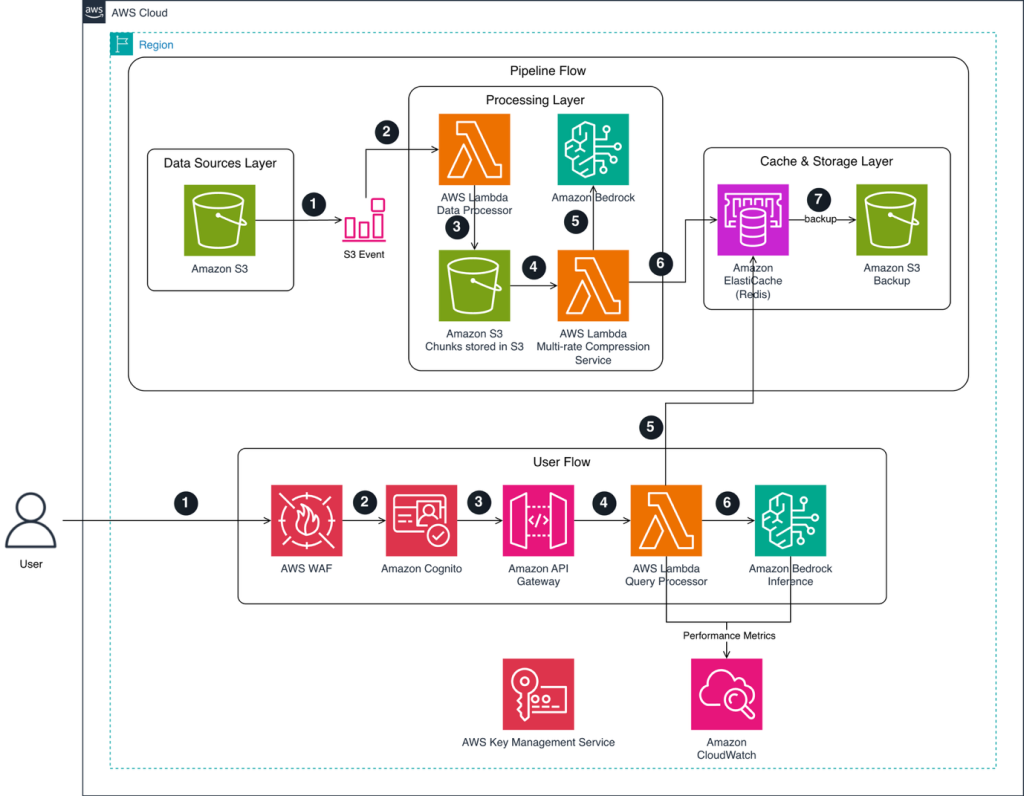
Task-aware knowledge compression, on the other hand, refers to the method of pre-compressing knowledge bases into representations tailored for specific tasks. This process allows for the efficient caching of information at varying fidelity tiers, enabling AI systems to route queries to the most relevant data source. The result is a more streamlined and effective interaction between users and AI systems.
What Changed in AI Knowledge Management?
The introduction of TAKC marks a significant shift in how enterprises manage and utilize their knowledge bases. Traditional RAG systems often struggle with scalability and responsiveness, particularly when faced with complex analytical tasks. With TAKC, organizations can create task-specific representations that not only enhance the speed of information retrieval but also improve the accuracy of responses.
This change is particularly relevant in sectors where decision-making relies on the synthesis of vast amounts of information, such as finance, healthcare, and technology. By employing TAKC, enterprises can optimize their AI systems to deliver insights that are both timely and contextually relevant.
Why It Matters for Enterprise IT Marketing
For marketers in the enterprise IT space, understanding the implications of TAKC is crucial. As organizations increasingly adopt AI-driven solutions, the ability to articulate the benefits of these technologies becomes paramount. TAKC not only enhances the efficiency of AI systems but also improves the user experience by providing more accurate and relevant information.
Moreover, the competitive landscape in the APAC region, particularly in Hong Kong, necessitates that IT marketers stay ahead of technological trends. By leveraging TAKC, marketers can position their products as cutting-edge solutions that address the specific needs of their clients, ultimately driving engagement and conversion rates.
A Practical Framework for Implementation
To effectively integrate TAKC into enterprise AI strategies, organizations can follow a structured framework:
- Assessment of Knowledge Bases: Evaluate existing knowledge bases to identify areas where task-specific compression can be applied.
- Implementation of Compression Techniques: Utilize tools and frameworks, such as those provided by AWS, to compress knowledge bases into task-aware representations.
- Tiered Caching Strategy: Develop a caching strategy that categorizes information based on fidelity tiers, ensuring that queries are routed to the most appropriate data source.
- Continuous Monitoring and Optimization: Regularly assess the performance of the AI system and make adjustments to the compression and caching strategies as needed.
- Training and Education: Ensure that marketing teams are well-versed in the capabilities and benefits of TAKC to effectively communicate these advantages to potential clients.
Implications for APAC and Hong Kong
In the APAC region, and specifically in Hong Kong, the adoption of AI technologies is accelerating. Organizations are increasingly recognizing the need for efficient knowledge management systems that can support rapid decision-making. The implementation of TAKC can provide a competitive edge by enabling businesses to respond swiftly to market changes and customer needs.
Furthermore, as enterprises in Hong Kong strive to maintain their leadership in innovation, the ability to leverage advanced AI techniques like TAKC will be instrumental in driving growth and enhancing customer satisfaction.
Curated Source Note
This article is a curated educational briefing based on insights from the AWS Machine Learning Blog. For further reading, please visit the original source at https://aws.amazon.com/blogs/machine-learning/beyond-rag-task-aware-knowledge-compression-for-enterprise-ai-on-aws/.