
The rapid integration of artificial intelligence (AI) into various aspects of daily life has prompted regulatory bodies to take action. In the European Union (EU), new rules are being implemented that require individuals to be informed when they are interacting with AI systems or viewing AI-generated content. This development raises critical questions about transparency, user trust, and the implications for marketing strategies, particularly within the enterprise IT sector.
Context and Definitions
AI refers to the simulation of human intelligence processes by machines, particularly computer systems. These processes include learning, reasoning, and self-correction. As AI technologies become increasingly prevalent, understanding their impact on consumer behavior and marketing practices is essential. The EU’s new regulations aim to enhance transparency by mandating that users are notified when they are engaging with AI-driven content. This requirement is intended to mitigate potential risks associated with AI, such as misinformation and manipulation.
What Changed?
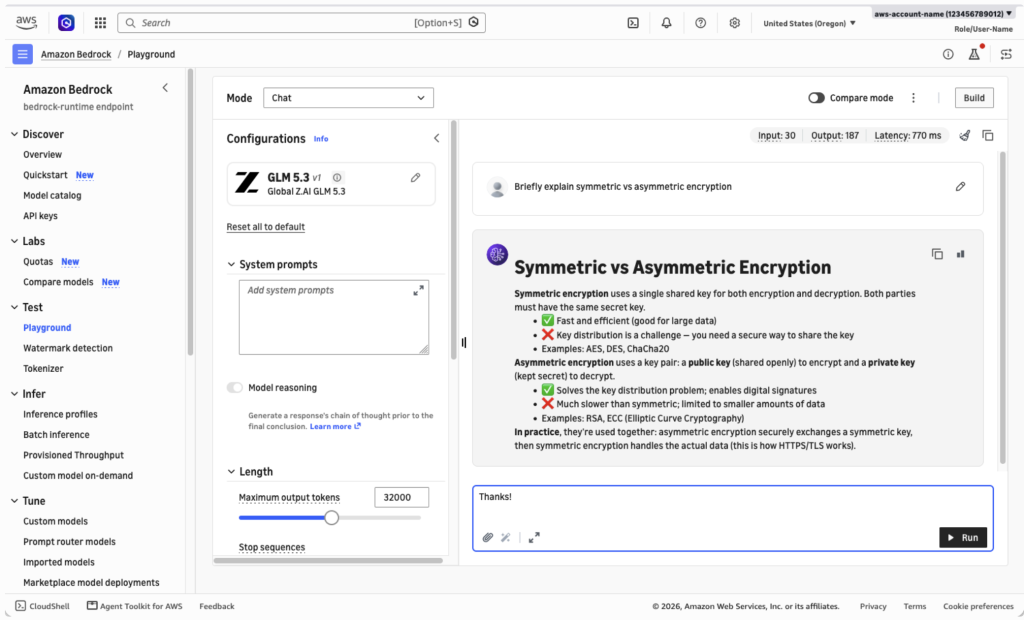
The EU’s regulations signify a shift towards greater accountability in AI deployment. Under these new rules, companies must disclose the use of AI in their products and services. This includes informing users when they interact with chatbots, receive personalized recommendations, or view content that has been modified by AI algorithms. The concept of “disclosure fatigue” has emerged as a concern, suggesting that consumers may become overwhelmed by the frequency of disclosures, potentially leading to desensitization.
Why It Matters for Enterprise IT Marketing
For enterprise IT marketers, these regulations present both challenges and opportunities. Transparency in AI usage can enhance brand trust and credibility, as consumers are increasingly concerned about privacy and ethical considerations. However, the requirement for disclosure may also complicate marketing messages, as companies must navigate the fine line between transparency and overwhelming their audience with information.
Moreover, the implications of these regulations extend beyond compliance. Marketers must consider how to effectively communicate the benefits of AI technologies while adhering to disclosure requirements. This necessitates a strategic approach to messaging that emphasizes the value of AI without alienating potential customers.
Practical Framework or Checklist
- Assess AI Usage: Evaluate all AI applications within your products and services to determine where disclosures are necessary.
- Develop Clear Messaging: Craft transparent and concise messages that explain how AI is used and the benefits it provides.
- Monitor Consumer Feedback: Gather insights on consumer perceptions of AI disclosures to refine your approach and address any concerns.
- Stay Informed on Regulations: Keep abreast of evolving regulations related to AI and adjust your marketing strategies accordingly.
- Educate Your Audience: Provide resources and information that help consumers understand AI technologies and their implications.
APAC / Hong Kong Implications
As the EU sets a precedent with its AI disclosure regulations, APAC countries, including Hong Kong, may follow suit. Marketers in this region should proactively consider how similar regulations could impact their strategies. The growing emphasis on transparency and ethical AI use is likely to resonate with consumers in Hong Kong, where there is a strong focus on data privacy and security.
Furthermore, businesses operating in Hong Kong should prepare for potential regulatory changes by establishing robust compliance frameworks and transparent communication strategies. By doing so, they can position themselves as leaders in ethical AI usage, fostering trust among consumers and differentiating themselves in a competitive market.
Clear Takeaways for APAC / Hong Kong IT Marketers
1. Embrace transparency in AI usage to build trust with consumers. 2. Develop clear and concise messaging that explains AI benefits while adhering to disclosure requirements. 3. Stay informed about regulatory changes and prepare for potential implications in the APAC region. 4. Educate consumers about AI technologies to alleviate concerns and enhance understanding. 5. Monitor consumer feedback to refine marketing strategies and address any issues related to AI disclosures.
This article serves as a curated educational briefing on the implications of AI disclosure regulations for enterprise IT marketing. For further insights, please refer to the original source at WIRED AI.