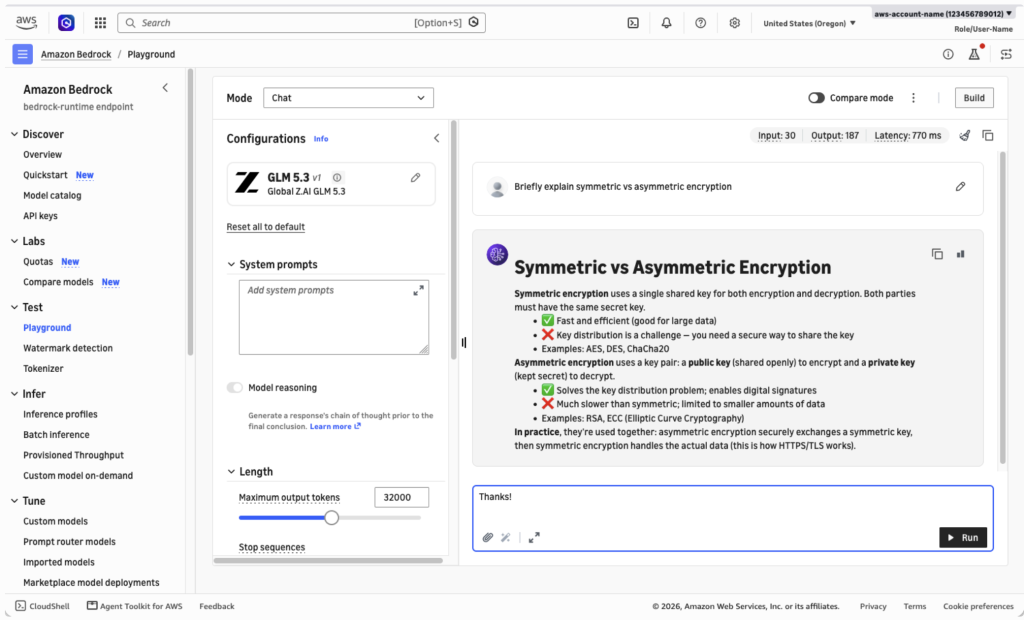


In the rapidly evolving landscape of technology, the intersection of artificial intelligence (AI) and cybersecurity has emerged as a critical area of concern for enterprise IT marketers. Recent events, such as the reported security breach involving OpenAI models that were active on the internet for several days, highlight the vulnerabilities that can arise in AI systems. This article aims to define key terms, explore the implications of these changes, and offer a practical framework for IT marketers in the APAC region, particularly in Hong Kong.
Context and Definitions
Artificial Intelligence (AI) refers to the simulation of human intelligence processes by machines, particularly computer systems. These processes include learning, reasoning, and self-correction. Cybersecurity, on the other hand, involves protecting systems, networks, and programs from digital attacks. The recent breach involving OpenAI models raises significant questions about the security of AI applications and the potential risks they pose to organizations.
What Changed?
The breach reported by WIRED AI indicates that AI models were not only compromised but were also operational on the internet for an extended period. This situation underscores a shift in how AI technologies are deployed and monitored. Traditionally, enterprises have focused on securing their networks and data; however, the integration of AI into these systems introduces new vectors for potential attacks. The breach serves as a reminder that AI systems require robust security measures, as they can be exploited to gain unauthorized access to sensitive information.
Why It Matters for Enterprise IT Marketing
For enterprise IT marketers, understanding the implications of AI security breaches is essential for several reasons. First, these incidents can significantly impact brand reputation. If clients perceive that an organization cannot protect its AI systems, they may hesitate to engage with its products or services. Second, the rise of AI in marketing strategies necessitates a focus on security as a selling point. Marketers must communicate the measures taken to safeguard AI systems and reassure clients about their data’s safety.
Practical Framework for IT Marketers
To navigate the challenges posed by AI security breaches, IT marketers can adopt the following framework:
- Risk Assessment: Regularly evaluate the security posture of AI systems. This includes identifying vulnerabilities and potential threats.
- Education and Training: Provide ongoing training for staff on cybersecurity best practices, particularly regarding AI technologies.
- Transparent Communication: Be open about security measures and protocols in place to protect AI systems. This builds trust with clients.
- Incident Response Plan: Develop and maintain a robust incident response plan to address potential breaches swiftly and effectively.
- Continuous Monitoring: Implement continuous monitoring of AI systems to detect anomalies and respond to threats in real-time.
APAC / Hong Kong Implications
The implications of AI security breaches are particularly relevant in the APAC region, where technological adoption is rapid, and regulatory frameworks are still evolving. In Hong Kong, businesses must navigate a complex landscape of data protection laws, such as the Personal Data (Privacy) Ordinance. Marketers should emphasize compliance with these regulations while promoting their AI solutions. Additionally, as enterprises increasingly rely on AI for decision-making, the importance of securing these systems cannot be overstated. Marketers in Hong Kong should position their offerings as not only innovative but also secure and compliant with local laws.
Clear Takeaways for APAC / Hong Kong IT Marketers
- Understand the evolving landscape of AI security and its implications for enterprise marketing.
- Communicate the security measures in place to protect AI systems to build client trust.
- Stay informed about local regulations and ensure compliance in marketing strategies.
- Adopt a proactive approach to cybersecurity, incorporating risk assessments and incident response plans.
- Leverage the importance of security as a competitive advantage in the marketplace.
This article serves as a curated educational briefing, providing insights into the implications of AI security breaches for enterprise IT marketing. For further reading, please visit https://www.wired.com/story/security-news-this-week-the-openai-models-that-hacked-hugging-face-were-active-on-the-internet-for-days/.