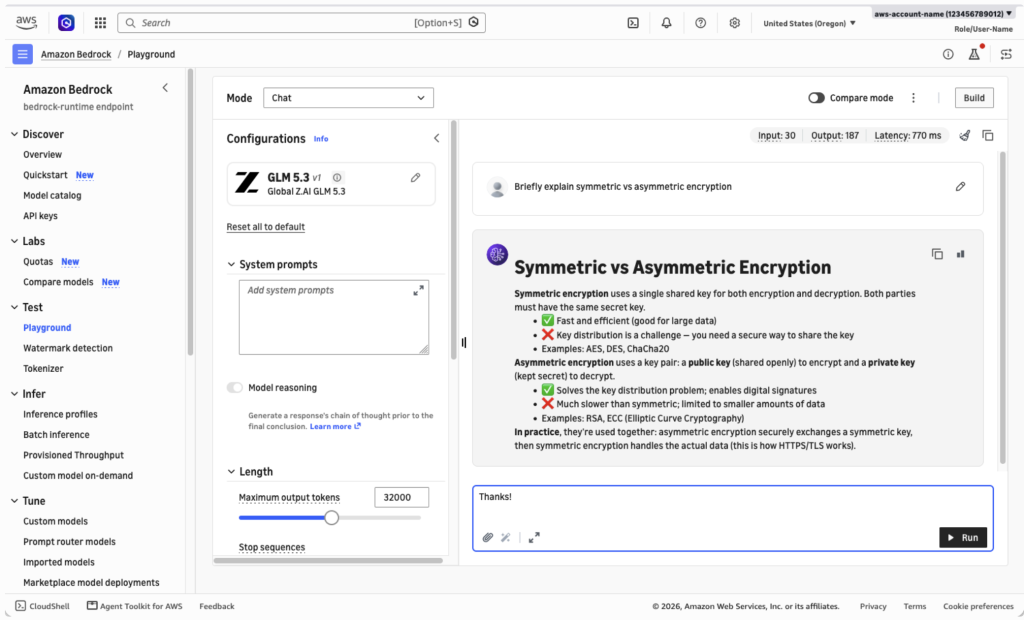


In the rapidly evolving landscape of enterprise IT, the deployment of machine learning models is becoming increasingly crucial. As organizations strive to leverage data for strategic advantage, understanding the mechanisms of deployment platforms is essential. This article discusses the deployment of Kimi K3 on Amazon Web Services (AWS), specifically using Amazon SageMaker HyperPod and Amazon Elastic Kubernetes Service (EKS). We will define key terms, explore recent changes in deployment strategies, and discuss their implications for enterprise IT marketing, particularly in the APAC region.
Understanding Key Terms
Before delving into the deployment processes, it is important to define some key terms:
- Kimi K3: An open-source machine learning model designed for efficient deployment and scalability.
- Amazon SageMaker: A fully managed service that provides every developer and data scientist with the ability to build, train, and deploy machine learning models quickly.
- HyperPod: A feature of Amazon SageMaker that allows for optimized resource utilization and faster model deployment.
- Amazon EKS: A managed service that simplifies running Kubernetes on AWS without needing to install and operate your own Kubernetes control plane.
What Changed in Deployment Strategies?
Recent advancements in cloud computing and machine learning have led to more sophisticated deployment strategies. The introduction of Amazon SageMaker HyperPod allows for enhanced resource management, enabling organizations to deploy models with greater efficiency. This is particularly relevant as enterprises increasingly require rapid deployment cycles to stay competitive.
Moreover, the integration of Kimi K3 with Amazon EKS provides a robust framework for managing containerized applications. This shift towards containerization is significant as it allows for greater flexibility and scalability, essential for enterprises dealing with large datasets and complex machine learning models.
Why It Matters for Enterprise IT Marketing
Understanding these deployment strategies is vital for enterprise IT marketers. As organizations adopt machine learning, the ability to communicate the benefits of efficient deployment becomes a key differentiator. Marketers must articulate how solutions like Kimi K3, combined with AWS services, can enhance operational efficiency and drive business value.
Furthermore, the implications of these technologies extend beyond mere deployment. They influence how organizations approach data management, compliance, and scalability. Marketers should focus on educating their audiences about the long-term benefits of adopting such technologies, including cost savings and improved decision-making capabilities.
Practical Framework for Deployment
For IT marketers looking to promote Kimi K3 and AWS deployment solutions, consider the following framework:
- Identify Business Needs: Understand the specific challenges your target audience faces regarding machine learning deployment.
- Educate on Solutions: Provide informative content that explains how Kimi K3 and AWS services can address these challenges.
- Highlight Case Studies: Share success stories of organizations that have successfully deployed Kimi K3 on AWS.
- Offer Support Resources: Create guides, webinars, and FAQs to assist potential customers in their deployment journey.
- Measure Impact: Track the effectiveness of your marketing efforts and adjust strategies based on feedback and engagement metrics.
Implications for the APAC / Hong Kong Market
In the APAC region, particularly in Hong Kong, the adoption of cloud-based machine learning solutions is on the rise. As businesses seek to enhance their digital transformation efforts, understanding the nuances of deployment strategies becomes crucial. Marketers in this region should emphasize the local benefits of using AWS services, such as compliance with data regulations and the ability to scale operations efficiently.
Additionally, the competitive landscape in APAC necessitates that organizations leverage advanced technologies like Kimi K3 to maintain a competitive edge. Marketers must therefore position these solutions not just as technical offerings but as strategic enablers of business growth.
This article serves as a curated educational briefing to help enterprise IT marketers understand the deployment of Kimi K3 on AWS. For more information, please visit the source: AWS Machine Learning Blog.