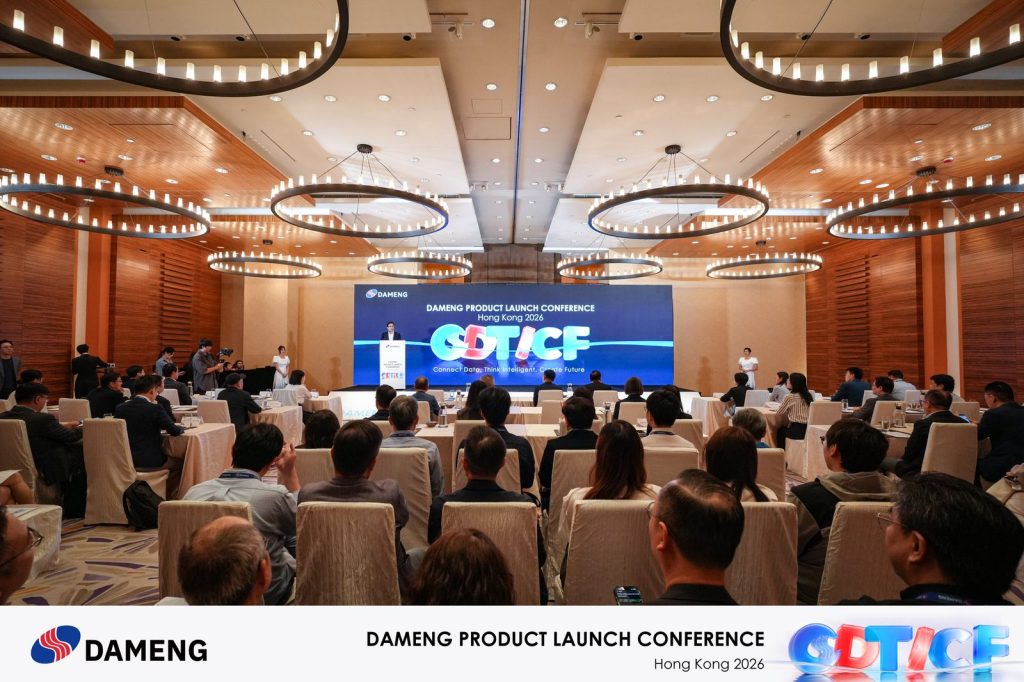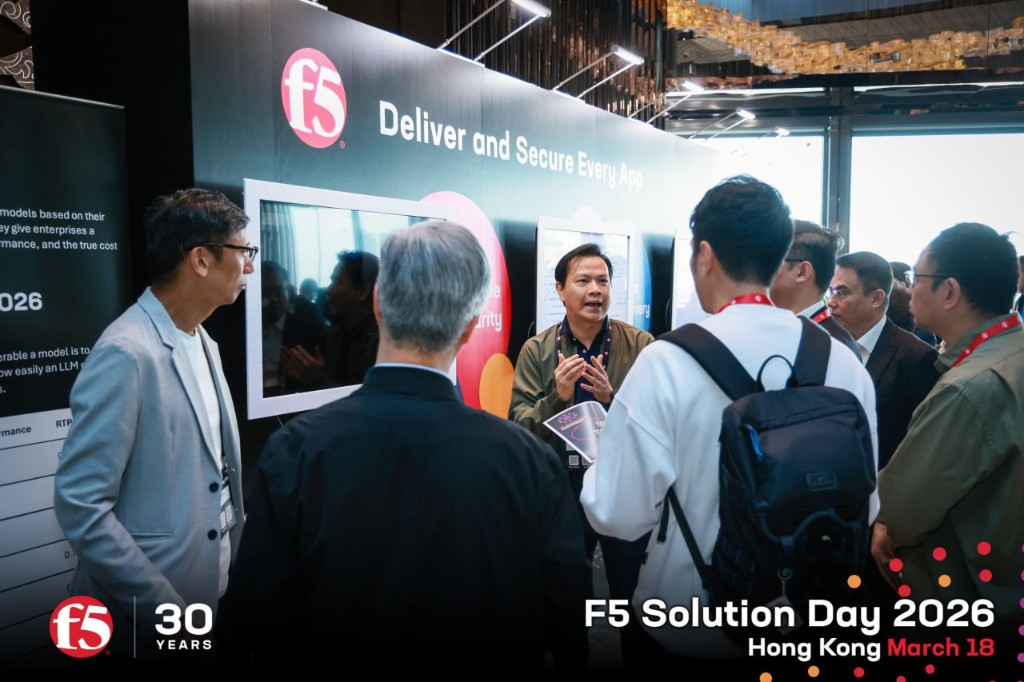

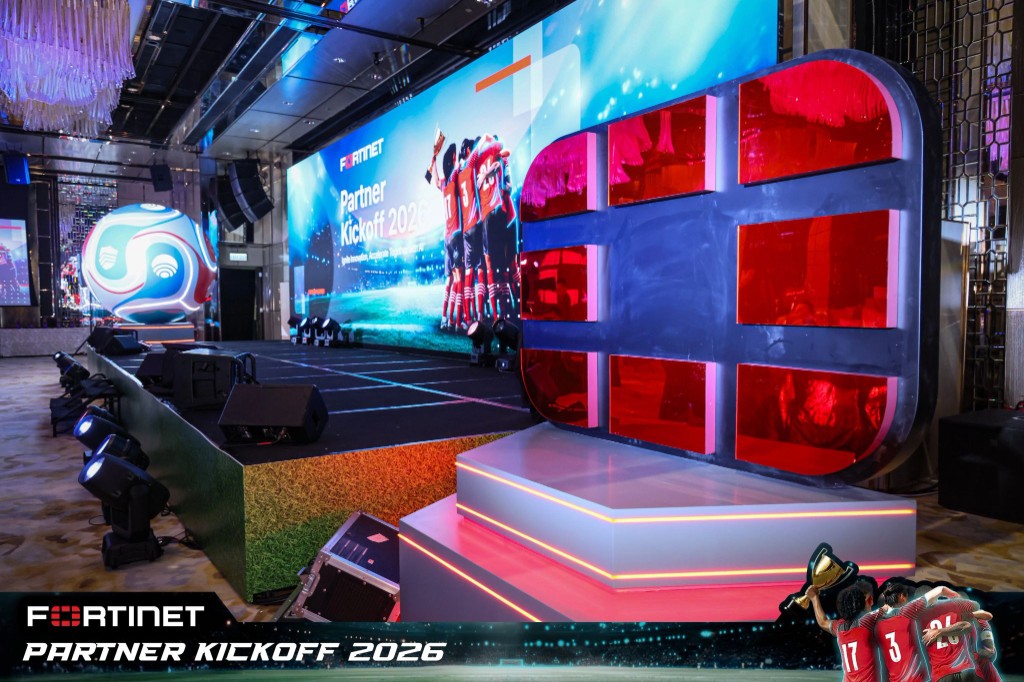
Enterprise IT calendars in Hong Kong and APAC are full — yet attendance quality at large generic conferences is softening. Marketing leaders report higher no-show rates, shorter booth visits, and executives delegating mega-events while still accepting small, curated peer conversations. The industry is not abandoning live engagement; it is rejecting undifferentiated spectacle.
This briefing frames event fatigue accurately, explains why peer roundtables persist as high-trust formats, and offers a redeployment model for vendors balancing brand presence with pipeline quality.
Diagnosing event fatigue
Event fatigue is not universal rejection of live marketing. It is selective avoidance of experiences that fail a simple executive test: Will I learn something I cannot get from a briefing call? Will I meet peers facing comparable constraints? Is the time cost justified against pipeline and regulatory obligations?
Large expo halls optimize for breadth — dozens of vendors, generic stages, badge scans. Enterprise buyers with committee purchase processes need depth: definitional clarity, moderated debate, and follow-up that respects procurement reality. When events cannot deliver depth, CFOs and CISOs stay home.
Signals marketing should track
- Declining executive-to-manager ratio at owned hospitality events
- Shorter average booth dwell time despite stable registration counts
- Rising post-event complaints about sales follow-up latency
- Increased preference for invitation-only formats in post-event surveys
Why peer roundtables still work
Peer roundtables — twelve to twenty qualified leaders, Chatham House or equivalent norms, moderated agenda tied to a durable theme — satisfy learning and network needs without expo noise. Participants compare implementation approaches, regulatory pressures, and vendor selection criteria with plausible deniability on sensitive details.
For vendors, roundtables are not stealth sales pitches. They are category leadership investments when facilitation is credible, guest lists are stringent, and follow-up offers education before product demos. The brand earns association with the room’s intelligence rather than a booth banner.
Design principles that protect trust
- Invite criteria published internally; reject list padding that dilutes peer quality
- Moderators who ask mechanism questions, not product softball prompts
- Agenda time dominated by peer discussion, not vendor keynote blocks
- Capture insights as anonymized field notes feeding public FAQs and research
- Forty-eight-hour follow-up with promised resources, not generic SDR blasts
Redeploying budget without going dark
Vendors should not cancel all flagship presence overnight. Instead, rebalance: maintain strategic sponsorships where partner ecosystems expect visibility, but shift discretionary spend toward formats with measurable ICP concentration. Pair a major summit with an executive salon the night before for twenty target accounts — depth adjacent to breadth.
Hong Kong’s compact ecosystem rewards precision. A well-run roundtable at a neutral venue often outperforms a sprawling booth if guest lists overlap the same partner and buyer graphs that drive enterprise deals.
Measurement beyond lead counts
Roundtable success metrics include attendee seniority mix, follow-up meeting acceptance, opportunity creation within ninety days, and qualitative feedback on agenda integrity. Marketing should report pipeline influenced, not badges scanned. Sales leaders care whether rooms contained economic buyers — not whether catering ran on time.
Content teams should repurpose roundtable themes into insights hubs (with permission frameworks respected). That extends the teaching value of the room to buyers who could not attend — including answer-engine corpora.
Operational risks
Poor facilitation, leaky guest lists, or aggressive product pitches destroy format equity fast. Legal should review confidentiality norms and photography rules. Partner co-hosts must align on narrative kits so multi-vendor rooms do not contradict category definitions.
Moxie produces peer roundtables, executive salons, and summit adjacency programs for enterprise IT brands — formats engineered for calendar-fatigued buyers who still value curated conversation in Hong Kong and APAC.
Redesigning your events mix for pipeline quality? Talk to Moxie — we start from ICP criteria and build rooms worth an executive hour.