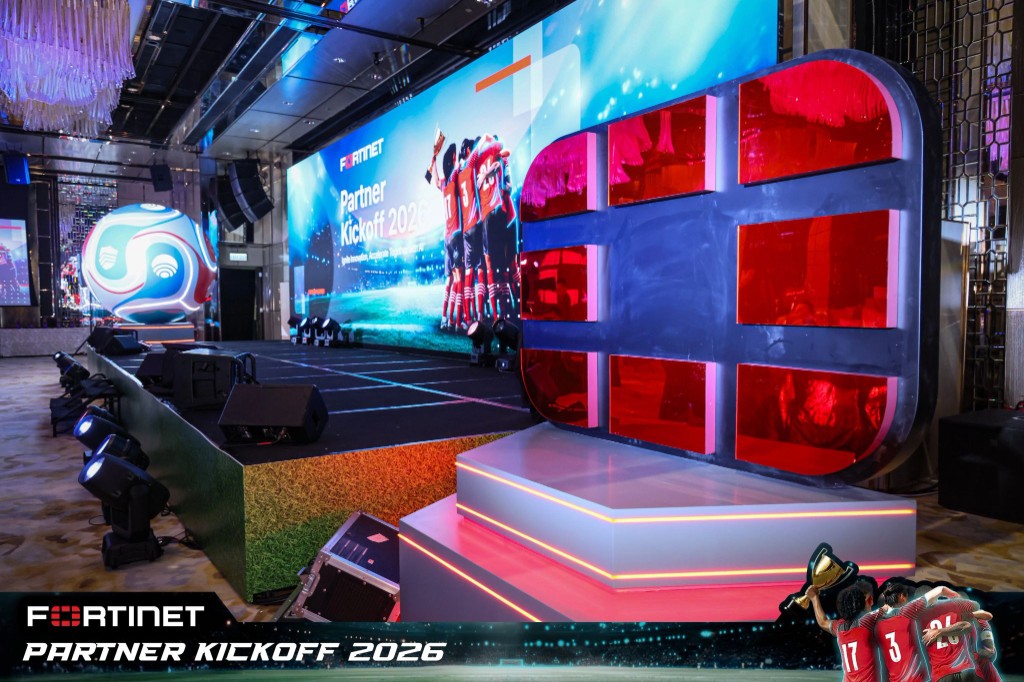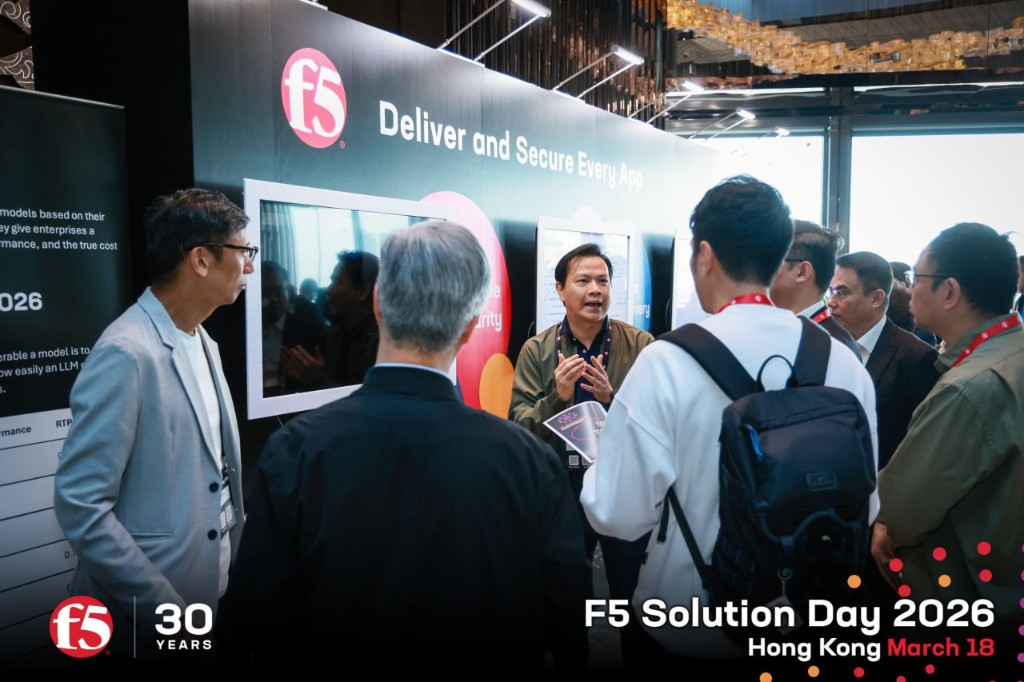

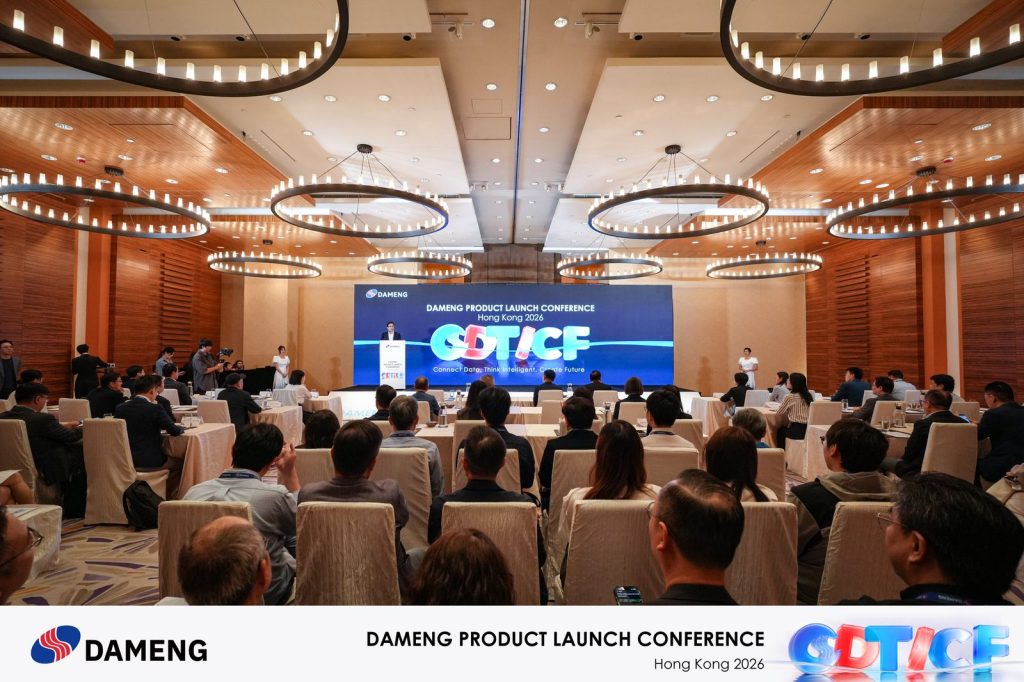
Hybrid events promised reach without sacrificing intimacy. In APAC enterprise IT, the reality is more selective: senior leaders attend fewer rooms, join virtually with sharper intent filters, and expect on-demand assets that survive forwarding and AI summarization. This research note maps attendance patterns among technology executives and operating leaders, and explains why event calendars built for volume underperform against calendars built for decision density.
The framing challenges default event metrics. Registration counts and live stream peaks rarely predict pipeline influence. APAC tech leaders allocate attention across regional travel constraints, internal approval cycles, and peer-validated formats. Vendors that optimize stage production without designing capture, recap, and follow-up choreography lose consideration even when satisfaction scores look strong.
Evidence: how APAC leaders actually participate
Moxie field observations across Hong Kong, Singapore, and wider APAC executive programmes reveal a tiered participation model. Tier one is small curated rooms — peer-matched roundtables, architecture councils, and distributor-led executive briefings with enforced guest criteria. Tier two is high-signal virtual sessions tied to a documented business question, not generic keynotes. Tier three is on-demand replay and FAQ packs consumed asynchronously and forwarded internally. Mass open webinars sit outside consideration influence for most senior leaders unless a trusted peer explicitly recommends them.
Mechanisms driving these patterns include travel friction, reputational risk, and time compression. Leaders will not spend a day on a vendor campus unless the room density justifies career-safe learning. Virtual participation rises when sessions produce standalone educational artifacts — checklists, reference architectures, bounded case evidence — that leaders can attach to internal threads. On-demand consumption dominates when live schedules cross time zones or internal steering committees require shareable summaries.
Signals that predict event influence
- Guest criteria enforcement — role, segment, and intent matched before invitation, not after registration
- Session-to-asset mapping — every live segment publishes a recap, FAQ, or proof pack within one week
- Peer density — buyer-to-buyer conversation time exceeds vendor monologue time in curated formats
- Follow-up choreography — educational next steps, not generic nurture, within five business days
- Attribution discipline — influenced opportunities tagged by room type, not blended into generic event MQLs
These signals compound across quarters. A vendor whose hybrid programme produces forwardable assets earns whisper-network presence. A vendor whose hybrid programme ends at applause dissipates when leaders prioritize fewer, higher-trust rooms.
Hong Kong and APAC implications
Hong Kong’s geography makes it a hub for compact executive rooms that draw regional leaders when agendas are disciplined. Poorly designed hybrid layers — low-quality stream, delayed captions, no bilingual recap — reduce trust for buyers who evaluate vendors across English and Chinese materials simultaneously. Wider APAC adds market-specific compliance and sovereignty questions that generic keynote narratives fail to address in any attendance mode.
Category nuance matters. Infrastructure and security leaders prefer evidence-heavy small rooms. SaaS leaders may join virtual sessions if category definition is taught clearly. Systems integrators and partners attend when enablement is operational, not promotional. Marketers should map attendance strategy to category trust formation rather than copying consumer-style launch events.
Operating implications for event-led GTM
Stop reporting hybrid success as total registrations. Segment metrics by room type: curated executive, qualified virtual, on-demand asset uptake, and partner-co-hosted academies. Measure same-week recap completion, FAQ downloads, sales-reported educated conversations, and 90-day influenced pipeline — not only live attendance.
Design hybrid as a capture system. Produce bilingual recaps where Hong Kong buyers require them. Publish five or more FAQs per flagship session mapped to assistant-style questions. Brief speakers with survivable language — mechanisms and bounded proof, not undifferentiated superlatives. Prefer fewer flagship rooms with disciplined follow-up over a quarterly calendar of interchangeable broadcasts.
Next steps
Select one flagship event motion your category actually needs — executive roundtable, architecture council, or partner academy — and audit whether it produces forwardable assets and tagged pipeline influence. Close gaps with guest criteria, one-week recap discipline, and five session-mapped FAQs retested over 60 days. APAC tech leaders reward clarity and capture, not calendar volume.
Moxie helps enterprise IT brands design hybrid event operating systems — curated rooms, immersive staging where appropriate, recap and GEO content, and follow-up choreography — for Hong Kong and APAC leaders who attend selectively. Talk to Moxie to scope an event influence diagnostic for your GTM calendar.