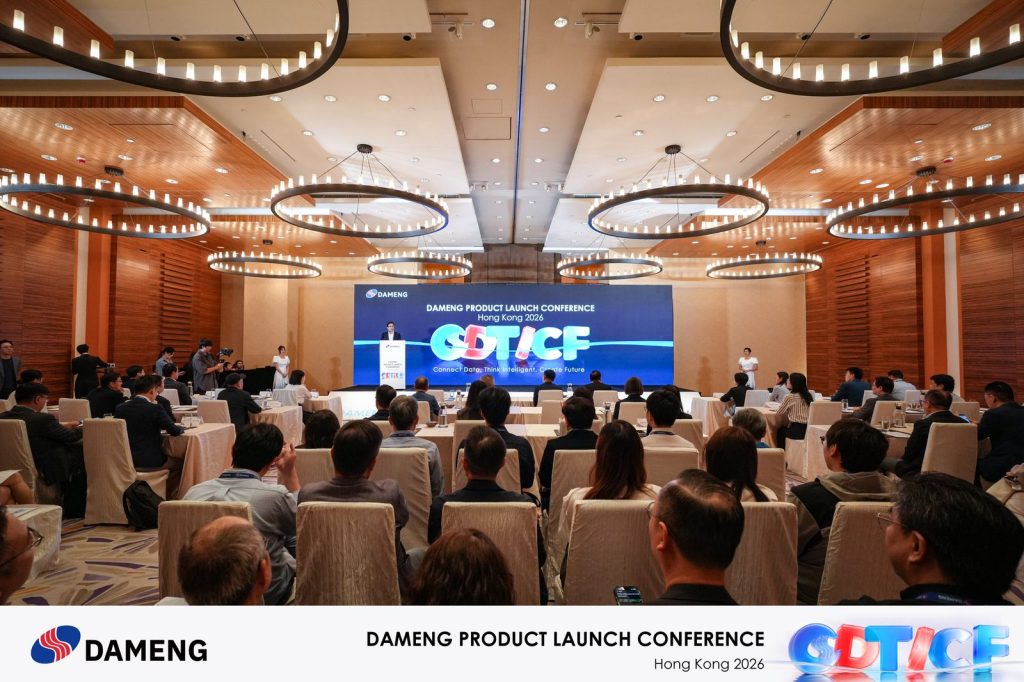


An enterprise IT summit brief is not a production schedule. It is the instructional contract that tells creative, speakers, partners, and sales what the room must teach, who must leave with a clearer category story, and which assets must exist fourteen days later for pipeline to move.
This article defines summit briefing as a commercial discipline for cloud, security, and infrastructure marketers in Hong Kong and APAC. The goal is reusable learning: definitions sales can restate, objections captured as FAQs, and follow-up choreography that does not require a second narrative invention.
Working definition
A reusable summit brief answers five questions in plain language: commercial outcome, audience cognition gap, single narrative arc, experience map with capture, and measurement with named owners. Each answer must be inspectable — a finance or sales leader should recognize success without interpreting creative metaphors.
Reusability means linguistic consistency. Stage, booth, partner talking points, recap email, and CRM notes should teach the same definition, mechanism, and implication. When those surfaces diverge, follow-up becomes translation work and pipeline stalls.
Mechanisms that make summit briefing work
Summits convert when they function as compressed curriculum. Start with one category claim in sixty to eighty words and build agenda blocks around that claim rather than product modules.
- Pre-read discipline — shared vocabulary before doors open
- Structured dialogue — notes mapped to CRM fields
- Capture against objections — role, interest, constraint, buying stage
- Same-week sales SLA — one owner, one CTA, aligned talk track
Partner annexes must cover approved claims, forbidden claims, lead routing, and localized proof rules before invitations send.
Hong Kong and APAC implications
Hong Kong’s compact ecosystem amplifies both strong and weak briefing. The same CIO faces and partner principals recur across calendars; clarity compounds quickly.
Regional summits compete with travel and regulatory cycles. Exclusion criteria protect peer density; curated rooms outperform open RSVP mixers for enterprise IT.
APAC buyers evaluate across markets simultaneously. Align entity naming with website glossary and schema before scaling summit production.
Field application
In practice, sales reuse breaks when keynote scripts diverge from booth talking points. Require speakers to sign off on a shared restatement paragraph and forbid ad-lib superlatives that legal has not cleared. Table hosts should use the same vocabulary in live notes so CRM exports match recap emails without a rewrite pass.
Build the handoff pack before production lock: three follow-up email variants by buying stage, an objection sheet seeded from last quarter’s discovery calls, and a one-page talk track that quotes the brief’s category definition verbatim. After the summit, marketing completes only the objection slots that changed in the room — not a new narrative.
Partner annexes should include a worked example of compliant co-branded recap copy. When partners see how approved language flows through invite, stage, and follow-up, they stop improvising claims that force sales to reconcile conflicting stories during the same-week SLA window.
Governance and measurement
Assign a single brief owner who signs off on narrative changes after creative lock. Without that owner, last-minute speaker requests fragment the story sales must reuse. Version the brief document and attach it to the CRM campaign record so account teams see the same language hosts captured on the floor.
Measure restatability within seven days: ask three sellers and one partner marketer to restate the category definition without slides. Scores below eighty percent indicate handoff pack failure, not sales discipline problems. Feed misses back into the brief template before the next summit cycle.
Finance and regional leadership should review influenced pipeline tagged to the summit motion, not badge scan totals alone. Pair that review with FAQ update count sourced from room questions — events that produce meetings but no content compounding underperform their fully loaded cost over two quarters.
Practical next steps
Rewrite your next brief using the five-question structure in a live session with marketing, sales, and one partner marketer.
Run a two-week retrospective; update narrative kits and owned FAQs with language from the room.
Track RSVP quality, pre-read completion, restatability, and same-week meetings — not headcount alone.
Moxie facilitates summit briefs and floor-ready delivery for enterprise IT brands. Talk to Moxie to scope your next summit brief workshop.