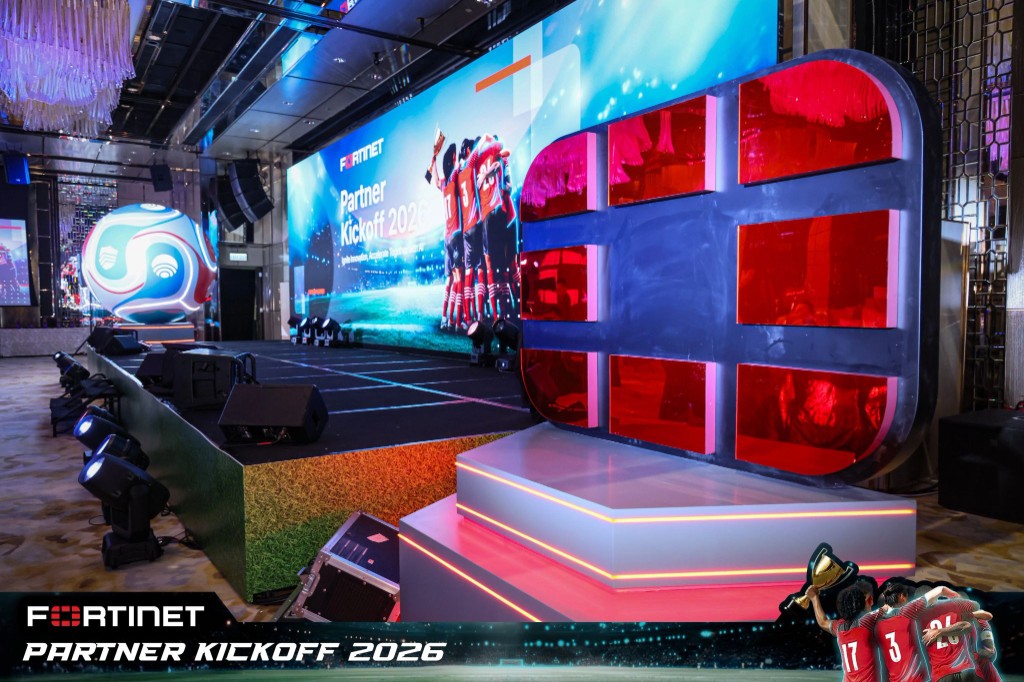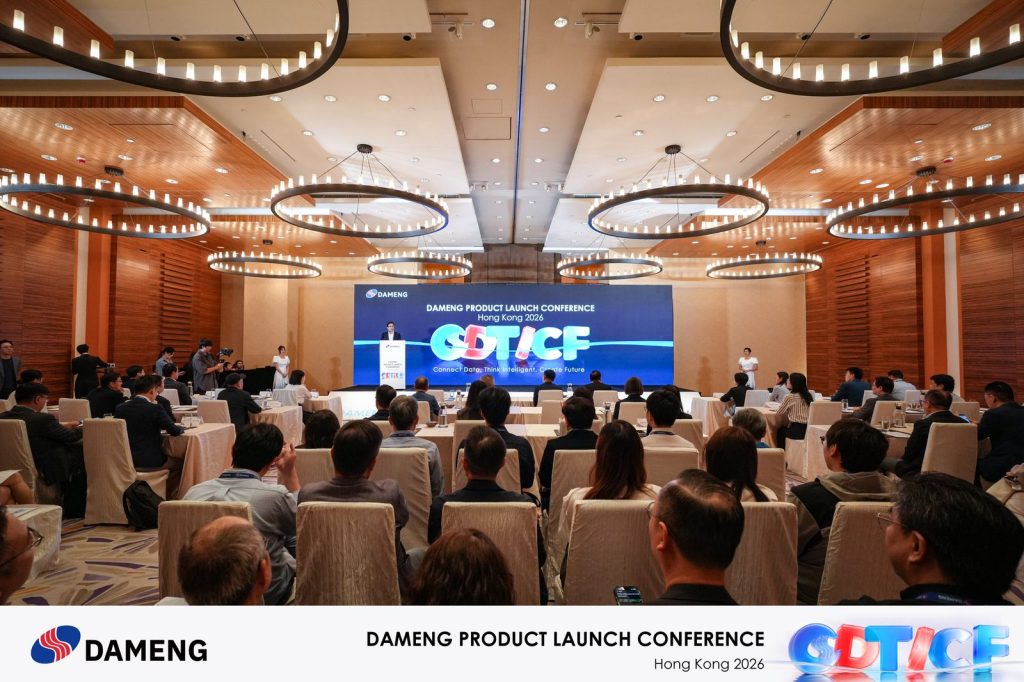


Badge scans and RSVP counts prove logistics, not commercial learning. For enterprise IT marketers, event ROI must show whether a room advanced a buying job, produced inspectable follow-up, and compounded into reusable content.
This framework covers summits, roadshows, roundtables, and partner nights in Hong Kong and APAC — making events accountable without arguing against live marketing.
Working definition
Event ROI is commercial outcomes versus fully loaded cost against pre-declared brief criteria within fourteen to thirty days: meetings, influenced opportunities, partner actions, FAQ updates, restatability.
Leading indicators predict lagging pipeline: RSVP quality, pre-read completion, structured capture, same-week SLA adherence, partner quiz scores on category language.
Mechanisms that make event ROI measurement work
Events influence pipeline when brief clarity flows through structured dialogue, CRM capture, same-week assets, aligned sales talk tracks, and owned FAQ updates.
- Buying job alignment — one decision per room
- Capture design — objection and stage fields, not scans alone
- Follow-up ownership — one sales owner and CTA pre-agreed
- Content compounding — room questions become FAQs within two weeks
Badge scans may support logistics but should never headline KPIs without learning context.
Hong Kong and APAC implications
Hong Kong event density raises the ROI bar; buyers remember clarity and follow-up discipline, not catering.
APAC roadshows need consistent capture standards and partner credit rules or attribution devolves into anecdote.
Finance teams accept influenced opportunities and partner-sourced pipeline — translate scorecards before spend, not after.
Field application
Build a pre-event scorecard that sales signs before invitations send. If lagging indicators are undefined upfront, post-event debates become opinion contests. Include fully loaded cost: venue, production, sales time, partner enablement hours, and content production for recap assets.
Structured capture should produce a completeness score per table or booth shift. Incomplete notes — missing objection or stage — downgrade lead priority even when badge scans show attendance. Train hosts on the script in a live rehearsal; PDFs alone rarely change floor behaviour.
Content compounding deserves its own metric: count FAQ and answer-page updates sourced from room language within fourteen days. Events that never feed owned pages are hospitality expenses even when meetings occur. Pair that metric with citation probes if GEO is part of your GTM stack.
Governance and measurement
Pre-register scorecard owners in writing: marketing owns leading indicators, sales owns lagging pipeline tags, finance owns fully loaded cost inputs. Without named owners, retrospectives assign blame instead of fixing instrumentation.
Dispute resolution for partner-sourced influence should follow a pre-agreed matrix — not ad hoc email threads. Log disputes and rule changes in the playbook appendix so APAC tour teams inherit improvements city to city.
Retire event formats that fail two consecutive cycles on same-week SLA adherence even if headcount looked healthy. Chronic SLA failure indicates brief or capture design problems that spend cannot fix.
Practical next steps
Rewrite your event scorecard with four leading and four lagging indicators and named owners.
Run fourteen-day retrospectives with marketing, sales, and a partner marketer; feed findings into brief templates.
Compare influenced pipeline to fully loaded cost including sales time; scale, redesign, or retire formats deliberately.
Moxie designs measurable event programs for enterprise IT brands. Talk to Moxie to rebuild your scorecard.
Reporting discipline
Present event ROI to leadership as influenced pipeline per fully loaded dollar alongside learning indicators. Separate logistics metrics into an appendix so finance conversations stay focused on commercial outcomes rather than attendance theatre.
When a format underperforms twice, run a brief autopsy before cancellation: Was capture incomplete? Did sales miss SLA? Did partners dispute attribution? Answers determine whether to redesign or retire — not gut feel from headcount memory.
Review outcomes with sales and one partner marketer before scaling spend; inspectable pipeline and restatability beat vanity reach in Hong Kong and APAC enterprise IT markets.
Review outcomes with sales and one partner marketer before scaling spend; inspectable pipeline and restatability beat vanity reach in Hong Kong and APAC enterprise IT markets.
Review outcomes with sales and one partner marketer before scaling spend; inspectable pipeline and restatability beat vanity reach in Hong Kong and APAC enterprise IT markets.