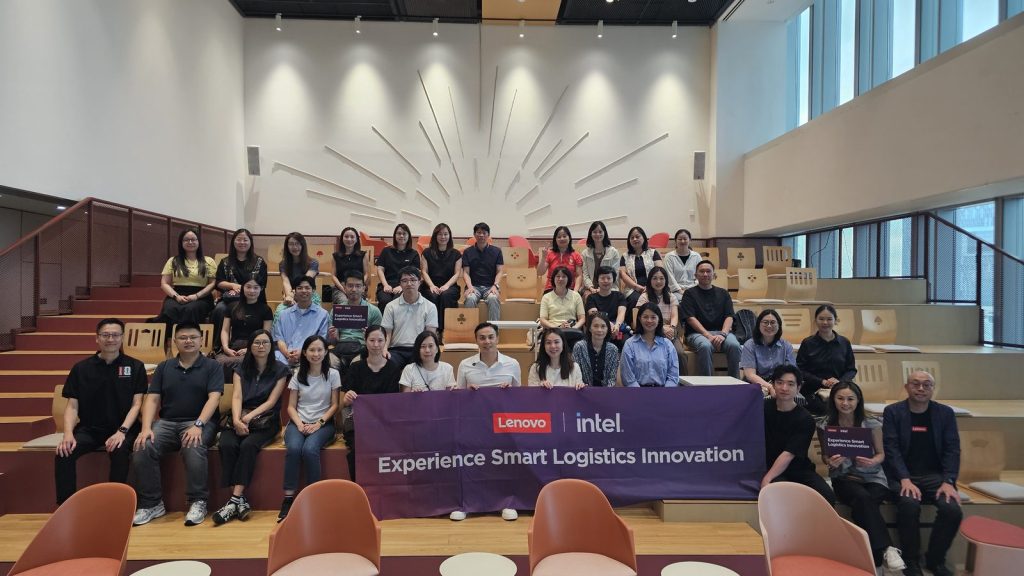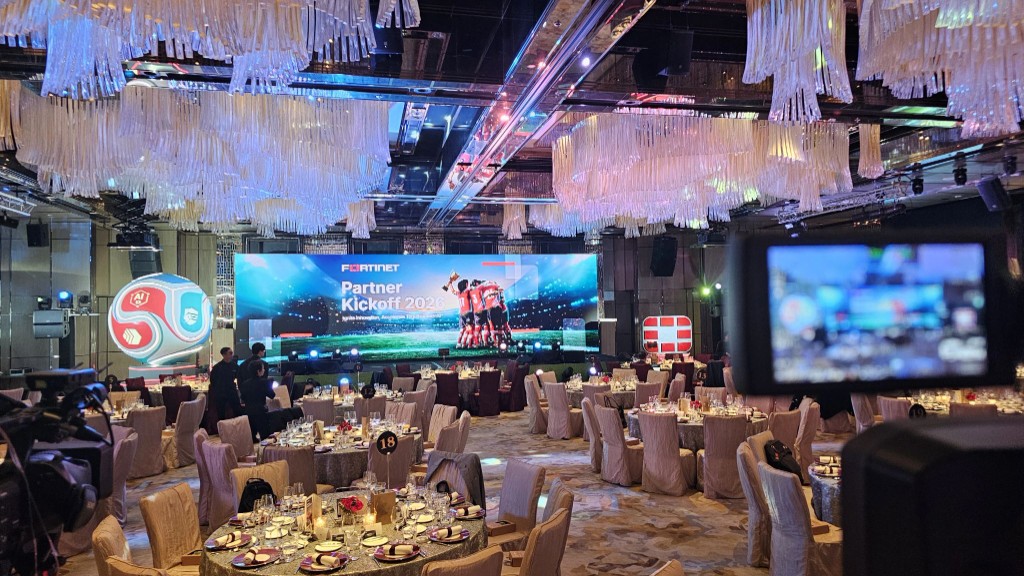

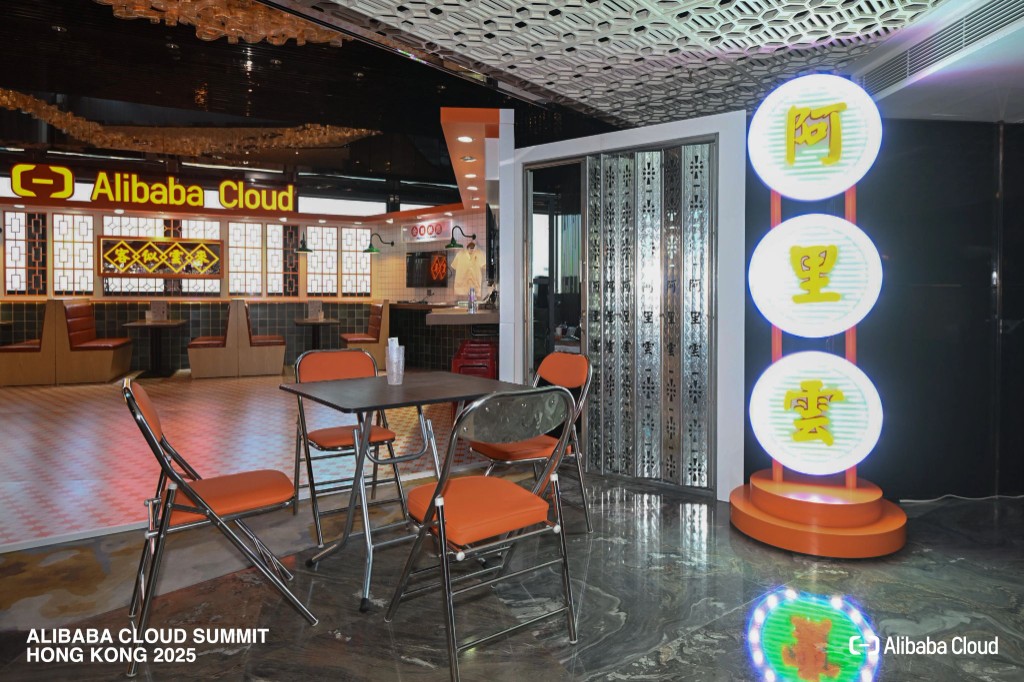
Moxie has expanded its Website pillar to cover the full digital surface area enterprise IT brands require — not only marketing sites, but applications, systems integration, event microsites, registration flows, and shop experiences that must stay aligned with GTM narrative and pipeline capture. This announcement explains what changed, why Hong Kong and APAC buyers asked for it, and how teams should evaluate whether their current web stack supports pre-RFP influence or merely publishes brochures.
The expansion responds to a recurring field pattern. Enterprise IT vendors fragment web work across agencies, freelance developers, event vendors, and internal teams. Entity language drifts. Registration data fails to reach CRM cleanly. Event pages launch without GEO-ready recaps. Shop and trial flows contradict security claims on the main site. Buyers notice inconsistency during AI triage and partner forwarding long before marketing sees conversion rate symptoms.
What the expanded Website pillar includes
Moxie now delivers end-to-end Website programmes under one operating system: brand-aligned enterprise web, custom applications where marketing sites cannot carry the workflow, systems integration with CRM and marketing automation, event and campaign pages with capture discipline, registration flows with field logic matched to sales and partner processes, and shop or transactional experiences where commerce is part of the GTM motion.
Mechanisms matter as much as build skills. Each workstream shares narrative kits, component libraries, bilingual-ready structure where required, and publish workflows that support FAQ and proof updates without rebuilds. Event and registration flows include same-week recap hooks. Applications and systems work include tagging and influence fields marketing and sales actually use — not orphaned form submissions.
Capability areas and buyer outcomes
- Enterprise web — entity-consistent, GEO-ready pages that survive summarization and partner restatement
- Applications — calculators, configurators, and tools that produce educational artifacts, not gimmicks
- Systems integration — CRM, MAP, and partner portal connections with hygiene-friendly field design
- Event pages — curated-room registration, agenda capture, and recap publish paths
- Registration flows — role-based fields, partner codes, and influenced-opportunity tagging
- Shop and transactional — commerce experiences aligned with brand trust claims and regional requirements
These areas interlock. A flagship event without registration discipline and recap publish paths wastes room quality. A shop launch without systems integration produces revenue reporting marketing cannot tie to campaigns. The expanded pillar treats web as GTM infrastructure, not a creative side project.
Hong Kong and APAC implications
Hong Kong buyers evaluate vendors across English and Traditional Chinese surfaces, regional event calendars, and partner co-branded pages simultaneously. Fragmented vendors produce contradictory category stories across those surfaces. APAC headquarters roles expect global narrative consistency while local entities require deployment-specific proof pages and registration logic — one accountable Website partner reduces drift and accelerates capture.
Regulatory and security scrutiny also affects registration and shop flows. Enterprise IT brands cannot treat data capture as an afterthought. Moxie’s expanded pillar includes field design, consent logic, and integration patterns appropriate to scrutinized categories — implemented with the same team that maintains narrative consistency on core properties.
How clients should use the expanded pillar
Audit your digital surface as a system, not a sitemap. List every URL class — core site, event, registration, app, shop — and score entity consistency, recap discipline, CRM tagging, and bilingual alignment. Prioritize fixes that unblock pipeline hygiene: registration-to-opportunity paths, event recap publish, and proof page modularity partners can forward.
Engage Moxie for phased programmes rather than one-off page builds. Phase one typically stabilizes narrative kits and core templates. Phase two connects event and registration flows with capture choreography. Phase three extends applications and commerce where GTM requires them. Each phase includes measurement hooks marketing and sales leaders can review monthly.
Next steps
If your web stack spans multiple vendors with no shared narrative kit, start with a Website pillar diagnostic: surface map, entity audit, and registration-to-CRM review. Moxie will recommend a phased build that aligns web, apps, systems, events, registration, and shop under one operating system — so Hong Kong and APAC buyers encounter one teachable story at every touchpoint.
The expanded Website pillar is live for new and existing Moxie clients serving enterprise IT categories across Hong Kong and APAC. Talk to Moxie to scope a Website pillar assessment for your brand.